samsung note7 takes center stage as a pivotal moment in smartphone history, capturing the attention of tech enthusiasts and consumers alike. Launched with much anticipation, the Note7 promised cutting-edge features and sleek design, aiming to solidify Samsung’s dominance in the market. However, this excitement soon turned into concern due to critical battery issues, leading to one of the most significant recalls in tech history.
The Samsung Note7 was equipped with advanced specifications, targeting professionals and tech-savvy users who demanded high performance and innovation. Its initial reception was overwhelmingly positive, yet the underlying problems soon overshadowed its potential, forcing Samsung to confront the challenges head-on and rethink its approach to safety and brand reputation.
Overview of Samsung Note7
The Samsung Note7, launched in August 2016, was a highly anticipated addition to Samsung’s Note series, positioned as a premium smartphone designed to cater to professionals and tech enthusiasts. The initial reception was overwhelmingly positive, with many praising its design, features, and performance.
Among the standout features of the Samsung Note7 were its sleek, curved design and a stunning 5.7-inch Super AMOLED display that provided vibrant colors and deep blacks. Powered by either a Snapdragon 820 or Exynos 8890 processor, depending on the region, the device came with 4GB of RAM and either 64GB of internal storage, which could be expanded via microSD. The Note7 also featured an impressive dual-pixel 12MP rear camera, capable of capturing high-quality images in various lighting conditions, alongside a 5MP front-facing camera. A significant aspect was its integrated S Pen, which allowed for enhanced productivity with features like screen-off memo and translation capabilities.
Target Audience for the Samsung Note7
The Samsung Note7 primarily targeted professionals, creatives, and tech-savvy individuals who sought a high-performance device that combined productivity with premium features. This demographic often requires a reliable smartphone that can handle multitasking effectively and supports advanced functionalities.
Key characteristics that made the Note7 appealing to this audience included:
- Productivity Features: The S Pen catered to users who prefer taking handwritten notes or sketching ideas on the go.
- Multimedia Capabilities: With its top-tier display and camera, the Note7 was ideal for content creators and consumers of media alike.
- Security Options: Features such as the iris scanner provided enhanced security measures for users concerned about data protection.
The Note7 was positioned as a flagship device, reflecting a blend of cutting-edge technology and elegant design, ultimately crafted to meet the demands of its discerning target market. Its reputation for innovation and quality made it a compelling choice for those who wanted more than just a phone; it represented a tool for creativity and productivity in a mobile form.
Battery Issues and Recall: Samsung Note7
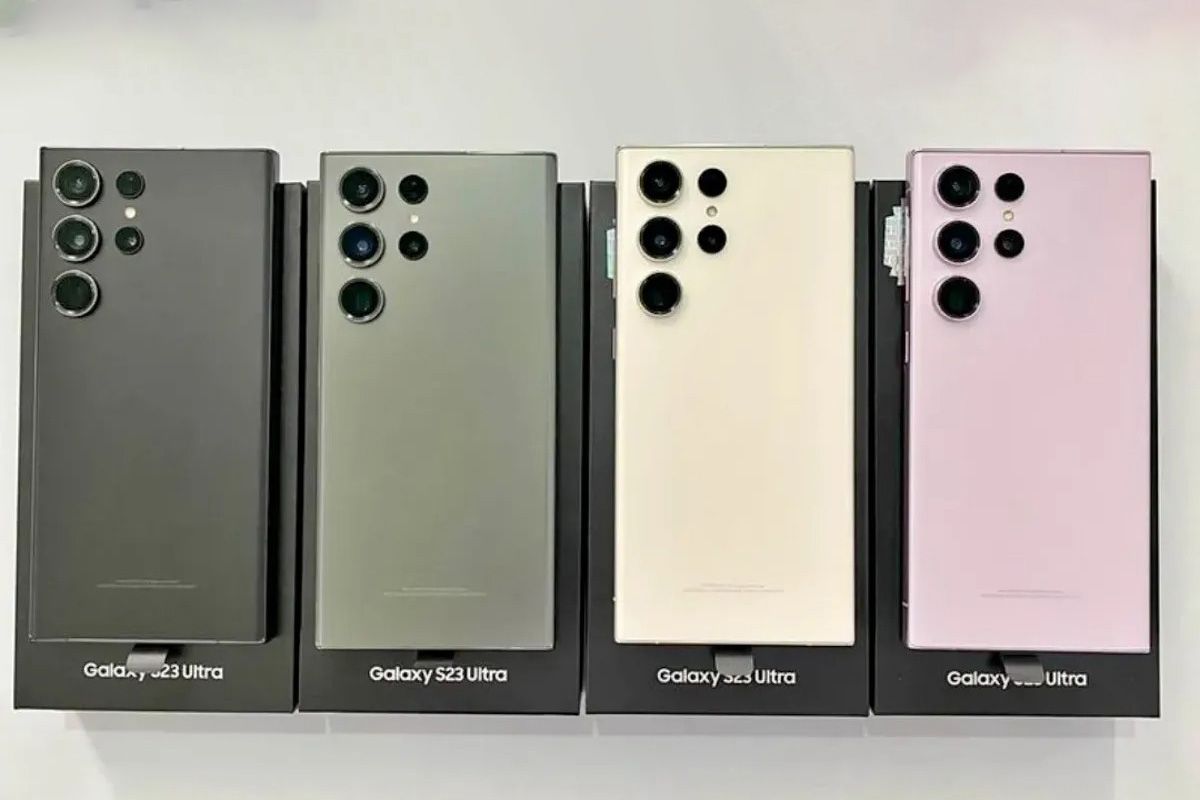
The Samsung Galaxy Note7, a flagship device celebrated for its high-end features, became embroiled in controversy due to significant battery issues that ultimately led to its recall. The problems began to surface shortly after the phone’s launch in August 2016, with reports of devices catching fire or exploding during charging. These incidents raised serious safety concerns among consumers and regulators alike, prompting Samsung to take decisive action.
Samsung identified that two main battery issues were at the heart of the problem. Firstly, the high-capacity lithium-ion batteries used in the Note7 had manufacturing defects that caused short circuits. These defects often stemmed from a misalignment during the assembly process, leading to the battery’s electrodes making contact with one another. Secondly, the design of the battery was overly compact, leaving insufficient room for thermal expansion, which further increased the risk of overheating and combustion.
Steps Taken by Samsung to Address Battery Issues
In response to the battery crisis, Samsung implemented a series of steps aimed at addressing the issues and restoring consumer trust. The company’s approach included the following key actions:
- Product Recall: Samsung initiated a global recall of the Note7, urging consumers to return their devices for a full refund or exchange for a different model. This recall was one of the largest in consumer electronics history.
- Battery Replacement Program: For those who wished to keep the device, Samsung introduced a battery replacement program that provided customers with a new battery to replace the defective ones. However, this option was quickly overshadowed by reports of replacement devices also malfunctioning.
- Enhanced Quality Control: Samsung revamped its quality assurance processes to prevent future incidents. This included more rigorous testing protocols for battery safety, such as new “8-point battery safety checks” that became industry standards.
Consumer reactions were mixed during the recall phase. Many users expressed frustration and disappointment, feeling that their safety had been compromised. Social media was rife with discussions and posts about the incidents, which significantly influenced public perception. Media coverage was extensive, featuring reports on individual cases, expert analyses, and updates on Samsung’s actions. This intense scrutiny only heightened the stakes for the company, as it worked to reassure consumers that it was taking the necessary steps to rectify the situation.
“The Galaxy Note7 recall was a pivotal moment in the smartphone industry, illustrating the importance of prioritizing consumer safety above all else.”
Impact on Samsung’s Brand
The Note7 controversy marked a significant turning point for Samsung, influencing public perception and brand trust. The unexpected battery failures led to widespread media coverage, leaving consumers and stakeholders questioning the company’s commitment to quality and safety. As the world’s largest smartphone manufacturer, the implications for Samsung were profound, affecting not only its reputation but also its financial stability.
The severity of the battery issues and the subsequent recall process showcased Samsung’s vulnerabilities in quality control. However, the company’s response also demonstrated resilience and a commitment to customer safety. Samsung’s quick decision to halt sales and initiate a global recall was a critical move, aiming to regain consumer trust. This approach can be contrasted with other tech companies that faced similar crises, such as Apple’s handling of the iPhone 4 antenna issues, which was met with criticism for its lack of transparency. Samsung’s proactive response, although initially damaging, was aimed at restoring faith in its brand.
Long-term Effects on Smartphone Sales, Samsung note7
The Note7 incident had lasting implications for Samsung’s smartphone sales, and the recovery was gradual. Following the controversy, several key factors influenced the company’s market performance:
1. Loss of Consumer Trust:
The immediate aftermath of the recall saw a decline in consumer confidence, with many potential customers hesitant to purchase Samsung devices. This led to a noticeable drop in sales figures during the critical holiday season of 2016.
2. Market Competition:
As Samsung faced backlash, competitors like Apple and Google capitalized on the situation, launching marketing campaigns that highlighted their own products’ reliability. This competitive environment further hampered Samsung’s recovery.
3. Financial Impact:
In the third quarter of 2016 alone, Samsung reported a significant profit drop, with the Note7 recall costing the company an estimated $5 billion. Such financial strain had long-term implications on research and development budgets for future technologies.
4. Product Recovery:
Following the Note7 debacle, Samsung introduced several successful models, such as the Galaxy S8, which received positive reviews and helped restore brand image. The company’s focus on innovation and quality control in subsequent releases played a crucial role in regaining consumer trust.
5. Brand Loyalty:
Despite the initial fallout, Samsung’s brand loyalty remained strong among existing customers. Many users who previously owned Samsung devices stayed loyal, eager to see how the company would rectify its mistakes.
“The Note7 incident taught Samsung invaluable lessons in quality assurance and crisis management, shaping its future strategies.”
In conclusion, while the Note7 controversy posed significant challenges for Samsung, the company’s strategic responses and commitment to improvement ultimately facilitated its recovery in the competitive smartphone market.
Lessons Learned and Future Implications
The Samsung Galaxy Note7 incident was a pivotal moment for the tech giant, imparting significant lessons regarding product safety, innovation, and brand management. Following the widespread issues related to the Note7’s battery malfunctions, Samsung undertook extensive measures to ensure the safety of its devices and restore consumer confidence.
Safety measures implemented by Samsung after the Note7 included a comprehensive review of their manufacturing processes and quality control systems. The company established the Galaxy Note7 Advisory Group, comprising experts from various fields, to evaluate and enhance their safety protocols. Furthermore, Samsung introduced an 8-point battery safety check system, which includes:
“The implementation of rigorous safety standards is paramount in the modern technology landscape.”
This system covers the following critical areas:
- Battery Design: Assessing the physical structure for durability and safety.
- Battery Materials: Evaluating the chemical compounds used for potential hazards.
- Battery Manufacturing: Scrutinizing the production process for defects and deviations.
- Battery Testing: Conducting extensive testing under various conditions to mimic real-world usage.
- Battery Safety Monitoring: Implementing continuous monitoring systems to detect issues early.
- Device Design: Reviewing the overall design to minimize risks of overheating.
- Supplier Quality Assurance: Ensuring that all suppliers adhere to Samsung’s safety standards.
- Post-Market Surveillance: Continuously monitoring devices for safety even after release.
Innovations in battery technology were significantly influenced by the Note7 incident, prompting a shift towards safer and more efficient battery materials. Research and development efforts have increasingly focused on solid-state batteries, which promise greater safety and energy density compared to traditional lithium-ion batteries. Industry experts predict that solid-state batteries could be commercialized in the next few years, offering enhanced performance without the same risks.
To illustrate Samsung’s recovery and timeline of event after the Note7 recall, the company implemented a strategic plan to regain consumer trust and re-establish its position in the market. Key milestones in this timeline include:
| Date | Event |
|---|---|
| September 2016 | Initial recall of Galaxy Note7 devices due to battery issues. |
| October 2016 | Complete cessation of Note7 production and sale, acknowledging safety concerns. |
| November 2016 | Launch of Galaxy S7 and S7 Edge with enhanced safety features. |
| January 2017 | Introduction of the new 8-point battery safety check system. |
| August 2017 | Release of Galaxy Note8, marking a return of the Note series with improved safety measures. |
| August 2020 | Launch of Galaxy Note20, showcasing Samsung’s commitment to innovation and safety. |
Through these lessons and subsequent actions, Samsung has worked diligently to redefine its approach to product safety and innovation, aiming to prevent a recurrence of similar incidents in the future.
Answers to Common Questions
What were the main features of the samsung note7?
The samsung note7 featured a 5.7-inch display, advanced camera capabilities, and S Pen functionality, catering to productivity and multimedia users.
How did Samsung address the battery issues?
Samsung implemented a global recall, offered refunds, and released a new battery version after extensive testing to ensure safety.
What long-term effects did the Note7 incident have on Samsung?
The incident initially hurt Samsung’s brand image and smartphone sales, but it ultimately led to improved safety protocols and product innovations.
Did other tech companies experience similar issues?
Yes, other companies, like Apple and Dell, have faced product recalls due to battery issues, highlighting the significance of safety in tech manufacturing.
What safety measures has Samsung taken since the Note7?
Samsung established a comprehensive product safety program, including enhanced battery testing procedures and a new battery chemistry to prevent future incidents.
The Samsung S 10 is renowned for its stunning display and impressive camera capabilities, making it a top choice for tech enthusiasts. This smartphone not only enhances your photography skills but also offers a user-friendly experience, ensuring that you stay connected effortlessly in today’s fast-paced world.
If you’re in the market for a reliable device, the Motorola Moto X4 stands out with its durable design and excellent performance. Ideal for those who prioritize functionality without compromising style, this model is perfect for both casual users and tech aficionados alike.