samsung galaxy s ii stands as a pivotal chapter in the evolution of smartphones, captivating users with its remarkable blend of cutting-edge technology and sleek design. Launched amidst a burgeoning smartphone market, this device not only set benchmarks for its predecessors but also paved the way for countless innovations that followed.
With standout features like its powerful dual-core processor, impressive camera quality, and vibrant display, the Galaxy S II quickly became a favorite among tech enthusiasts. The user experience was tailored to be intuitive, allowing for extensive customization that resonated with a diverse audience, further enhancing its appeal in a competitive landscape.
Features of the Samsung Galaxy S II
The Samsung Galaxy S II emerged as a game changer in the smartphone market during its launch in 2011, boasting a range of cutting-edge features that captivated consumers and set a new standard for mobile technology. This device combined sleek design with powerful specifications, delivering an exceptional user experience that echoed through the years.
The Galaxy S II was powered by a dual-core 1.2 GHz processor, which facilitated smooth multitasking and high-performance gaming. Its 4.3-inch Super AMOLED Plus display offered vibrant colors and deep blacks, with a resolution of 480 x 800 pixels that ensured clarity for videos and images. The camera featured an impressive 8 MP rear camera equipped with autofocus and LED flash, allowing users to capture stunning photos and videos. Additionally, the device supported full HD 1080p video recording, catering to the needs of content creators and social media enthusiasts alike.
Technical Specifications
The technical specifications of the Samsung Galaxy S II were pivotal in its popularity. Here’s a breakdown of the key features that contributed to its success:
- Processor: Dual-core 1.2 GHz ARM Cortex-A9
- RAM: 1 GB
- Storage Options: 16 GB and 32 GB internal storage, expandable via microSD card up to 64 GB
- Display: 4.3-inch Super AMOLED Plus, 480 x 800 pixels
- Camera: 8 MP rear camera with autofocus and LED flash; 2 MP front-facing camera
- Battery: 1650 mAh, removable
- Operating System: Android 2.3 Gingerbread, upgradable to later versions
The advanced display technology provided by Super AMOLED Plus not only enhanced visibility in bright environments but also improved battery efficiency. The inclusion of a dual-core processor marked a significant upgrade compared to its predecessor, the Galaxy S, which was equipped with a single-core processor.
Comparison with Predecessor and Successor Models
In evaluating the Galaxy S II against the Galaxy S and its successor, the Galaxy S III, we can see distinct advancements and innovations in design and performance.
| Feature | Galaxy S | Galaxy S II | Galaxy S III |
|---|---|---|---|
| Processor | 1 GHz Cortex-A8 | 1.2 GHz Cortex-A9 | 1.4 GHz Cortex-A9 |
| Display Size | 4.0 inches | 4.3 inches | 4.8 inches |
| Camera | 5 MP | 8 MP | 8 MP (with enhancements) |
| Battery Life | 1500 mAh | 1650 mAh | 2100 mAh |
The Galaxy S II represented a significant leap forward in technology, especially evident in processor speed, camera capabilities, and display size. While the Galaxy S laid the groundwork for Samsung’s successful smartphone line, the Galaxy S II built upon that foundation, leading to the even more refined experience offered by the Galaxy S III.
“The Galaxy S II was not just an incremental upgrade; it was a bold step forward that set new benchmarks in smartphone technology.”
User Experience and Interface
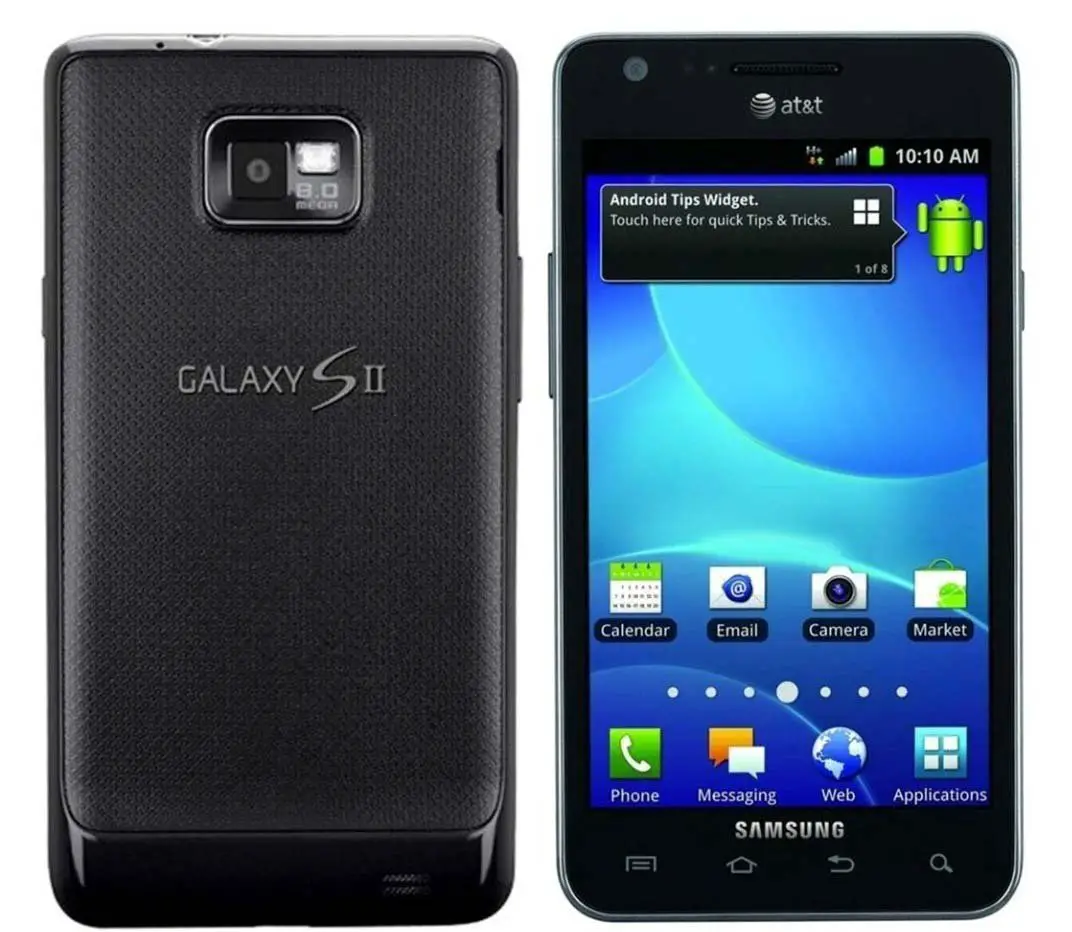
The Samsung Galaxy S II is recognized not only for its cutting-edge hardware but also for its user experience and interface, which significantly contribute to its popularity among consumers. Designed with user-friendliness in mind, the Galaxy S II offers a smooth, responsive user experience that enhances daily interactions with the device.
The user interface of the Samsung Galaxy S II is built upon Samsung’s TouchWiz UX, which provides a visually pleasing and intuitive layout. The interface is customizable, allowing users to tailor their home screens with widgets, apps, and shortcuts based on personal preferences. Users have reported that this flexibility adds a personal touch to their devices, making them feel more unique and aligned with their individual styles.
Usability and Performance Feedback
User feedback on the Samsung Galaxy S II highlights its impressive performance and overall usability. Many users appreciate the device’s fast response times and smooth multitasking capabilities, which are enhanced by the dual-core processor.
Common points of praise include:
- Rapid app loading times, making it easy to switch between applications seamlessly.
- Reliable touch sensitivity, allowing for precise control and navigation.
- Exceptional battery life, enabling prolonged use without frequent recharging.
Despite the overwhelmingly positive feedback, some users have noted occasional lags when running multiple demanding applications simultaneously.
Customizability Options
The Samsung Galaxy S II excels in offering a high degree of customizability, which is a major draw for tech-savvy users. The device allows for extensive personalization, from the appearance of the home screen to the arrangement of apps.
Key customization features include:
- Widgets: Users can choose from a wide variety of widgets to display information at a glance, such as weather updates, calendar events, and social media feeds.
- Themes: A selection of themes can alter the overall look of the interface, including icons, backgrounds, and color schemes.
- Launchers: The option to install third-party launchers provides even greater flexibility, allowing users to create a completely unique navigation experience.
These customizability options make the Galaxy S II not just a smartphone, but a platform for self-expression, allowing users to create an interface that resonates with their personal aesthetic and functionality needs.
“Samsung Galaxy S II’s interface is designed for both efficiency and personalization, making it a favorite among users who appreciate a tailored mobile experience.”
Software and Updates
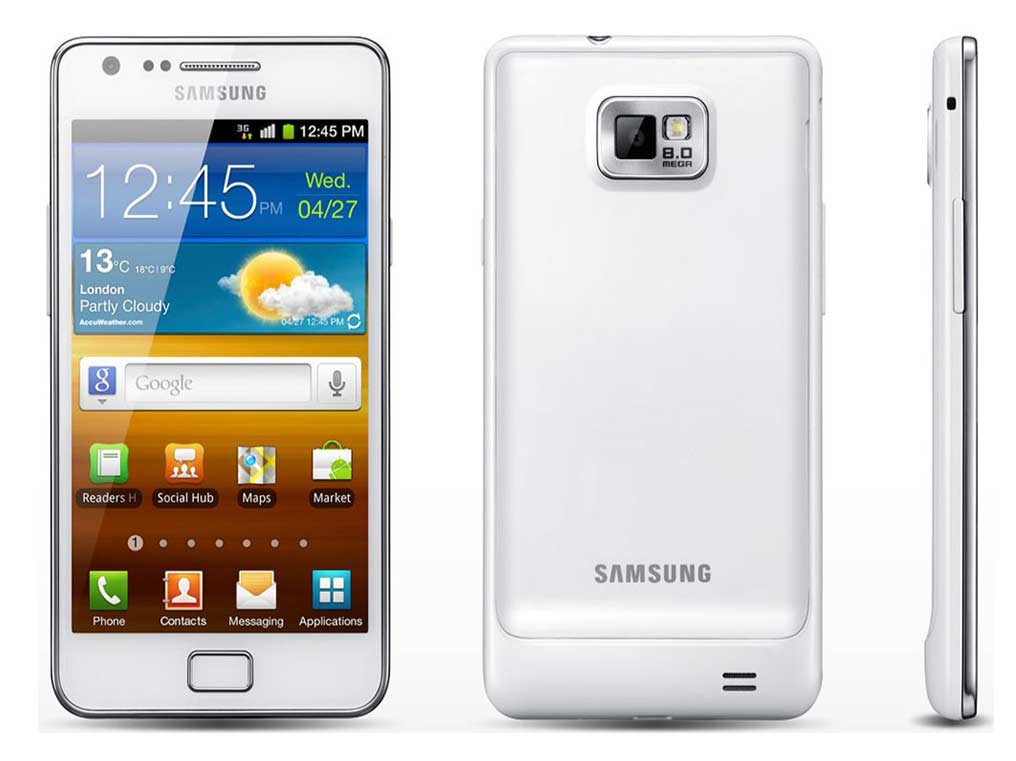
The Samsung Galaxy S II was launched with Android 2.3 Gingerbread and has since seen several software updates that enhanced its performance and user experience. As one of the flagship devices of its time, the Galaxy S II played a pivotal role in Samsung’s rise in the smartphone market, largely due to its software capabilities and support.
The Galaxy S II officially supported several versions of the Android operating system, ranging from Gingerbread to Android 4.1 Jelly Bean. Below is an overview of the major software updates released for the device and their corresponding impacts on performance and features.
Operating System Versions Supported
The Galaxy S II’s compatibility with various Android versions allowed users to experience a significant evolution in smartphone technology. Here is a list of the key operating system versions supported by the device:
- Android 2.3 (Gingerbread): The initial operating system, which provided a smooth user interface and responsive performance.
- Android 4.0 (Ice Cream Sandwich): Introduced a refreshed UI, improved multitasking, and enhanced notifications, marking a substantial upgrade in usability.
- Android 4.1 (Jelly Bean): Brought features like Project Butter for enhanced performance, Google Now for smarter search capabilities, and expandable notifications.
Each update not only improved the interface but also optimized the device’s performance, making it more competitive against newer smartphones.
Major Software Updates and Their Impacts, Samsung galaxy s ii
The Galaxy S II received several significant updates that transformed its capabilities and user experience. These updates often included optimizations that made the device faster and more efficient while introducing new features. The major updates included:
- Ice Cream Sandwich Update: Launched in 2012, this update improved the overall speed and responsiveness of the device, introduced face unlock, and revamped the notifications system.
- Jelly Bean Update: Released shortly after the Ice Cream Sandwich update, Jelly Bean further enhanced performance with Project Butter, delivering a smoother experience. It also integrated Google Now, which provided users with contextual information based on their search history.
These updates significantly boosted the Galaxy S II’s appeal and usability, keeping it relevant in a rapidly evolving smartphone landscape.
App Compatibility and Popular Features
During its lifecycle, the Galaxy S II was compatible with a wide range of applications that were gaining popularity at the time. The device’s support for various software versions meant that users could access popular apps that shaped mobile usage. Key features and apps that were widely used included:
- Social Media Apps: Applications such as Facebook, Twitter, and Instagram became essential for users, and the Galaxy S II handled these with ease.
- Productivity Apps: Apps like Evernote and Google Drive allowed users to enhance their productivity on the go, and the updates ensured smooth performance.
- Media Streaming Services: Services like Spotify and Netflix gained traction, and the Galaxy S II’s hardware was capable of supporting the streaming of audio and video content efficiently.
The ability to run these applications effectively helped the Galaxy S II maintain its status as a sought-after device, even as newer models were released.
“The combination of continuous software updates and compatibility with popular applications made the Galaxy S II a versatile smartphone that catered to a diverse user base.”
Market Impact and Legacy

The Samsung Galaxy S II, launched in 2011, marked a pivotal moment in the smartphone industry, setting standards that would influence countless devices that followed. This landmark device not only showcased cutting-edge technology at the time but also established a new paradigm in smartphone design and functionality, leaving an indelible mark on the market.
The Galaxy S II’s introduction was a catalyst for innovation across the smartphone landscape. It popularized several features that would soon become staples in future devices. Its sleek design, lightweight build, vibrant Super AMOLED display, and powerful dual-core processor set new benchmarks that competitors scrambled to match. Furthermore, the Galaxy S II played a crucial role in popularizing larger screens, which paved the way for the phablet and the current trend of expansive displays.
Influence on Smartphone Design
The Samsung Galaxy S II significantly influenced the design language of smartphones. Its aesthetic and functional elements were groundbreaking and set trends that have persisted over the years.
- Sleek Form Factor: The Galaxy S II’s thin and lightweight design made it a desirable option for consumers, encouraging manufacturers to prioritize portability without sacrificing performance.
- Display Technology: With its Super AMOLED screen, the device showcased vivid colors and deep contrasts, prompting competitors to enhance their displays to meet consumer expectations for superior visual experiences.
- Touch Interface: The focus on a responsive touch interface contributed to the widespread adoption of gesture-based navigation, fundamentally changing how users interacted with their devices.
Enduring Popularity Among Enthusiasts
The Galaxy S II has retained a dedicated following among enthusiasts and collectors, a testament to its remarkable legacy. Several factors contribute to its ongoing appeal.
- Historical Significance: As a key player in Samsung’s rise to prominence in the smartphone market, it is often viewed as a classic among tech enthusiasts, representing a transformative period in mobile technology.
- Modding Community: The device has a robust community of developers and modders who continue to support it with custom ROMs and updates, extending its functionality and enhancing user experience long after its official updates ceased.
- Collectible Status: Its status as a pioneering smartphone has led to its recognition as a collectible item among tech aficionados, with many seeking to own a piece of mobile history.
The Samsung Galaxy S II was not just a smartphone; it was a paradigm shift that reshaped the expectations of mobile technology.
FAQ Guide: Samsung Galaxy S Ii
What was the release date of the Samsung Galaxy S II?
The Samsung Galaxy S II was officially released in April 2011.
What operating system did the Samsung Galaxy S II launch with?
It launched with Android 2.3 Gingerbread.
How many updates did the Samsung Galaxy S II receive?
The Galaxy S II received several major updates, including Android 4.1 Jelly Bean.
What was the screen size of the Samsung Galaxy S II?
The device featured a 4.3-inch Super AMOLED Plus display.
Is the Samsung Galaxy S II still usable today?
While it may run basic functions, the Samsung Galaxy S II is considered outdated for current app standards and performance requirements.
The Samsung Galaxy S11 stands out with its impressive camera capabilities and sleek design, making it a top choice for tech enthusiasts. With advanced features and robust performance, this smartphone caters to users looking for both style and substance in their devices.
In contrast, the Samsung Galaxy S II laid the groundwork for modern smartphones with its innovative design and user-friendly interface. Although it may seem dated today, its impact on the smartphone industry is undeniable, influencing the evolution of mobile technology over the years.