chip iphone sets the stage for this enthralling narrative, offering readers a glimpse into a story that is rich in detail and brimming with originality from the outset. The journey of iPhone chip technology has been nothing short of remarkable, tracing its evolution from early models to the sophisticated chips that power the latest devices. With each iteration, Apple has pushed the boundaries of performance, transforming how we interact with our smartphones and enhancing functionality in unprecedented ways.
As we explore the intricate manufacturing process behind these chips, we unveil the key materials and stringent quality control measures that ensure their high performance. With a closer look at performance comparisons between various iPhone chips, we can appreciate the impact these advancements have on gaming, app usage, and overall user experience. Furthermore, the future trends in iPhone chip development hold exciting possibilities, especially with the integration of artificial intelligence and machine learning reshaping the device landscape.
Chip Technology in iPhone Models: Chip Iphone
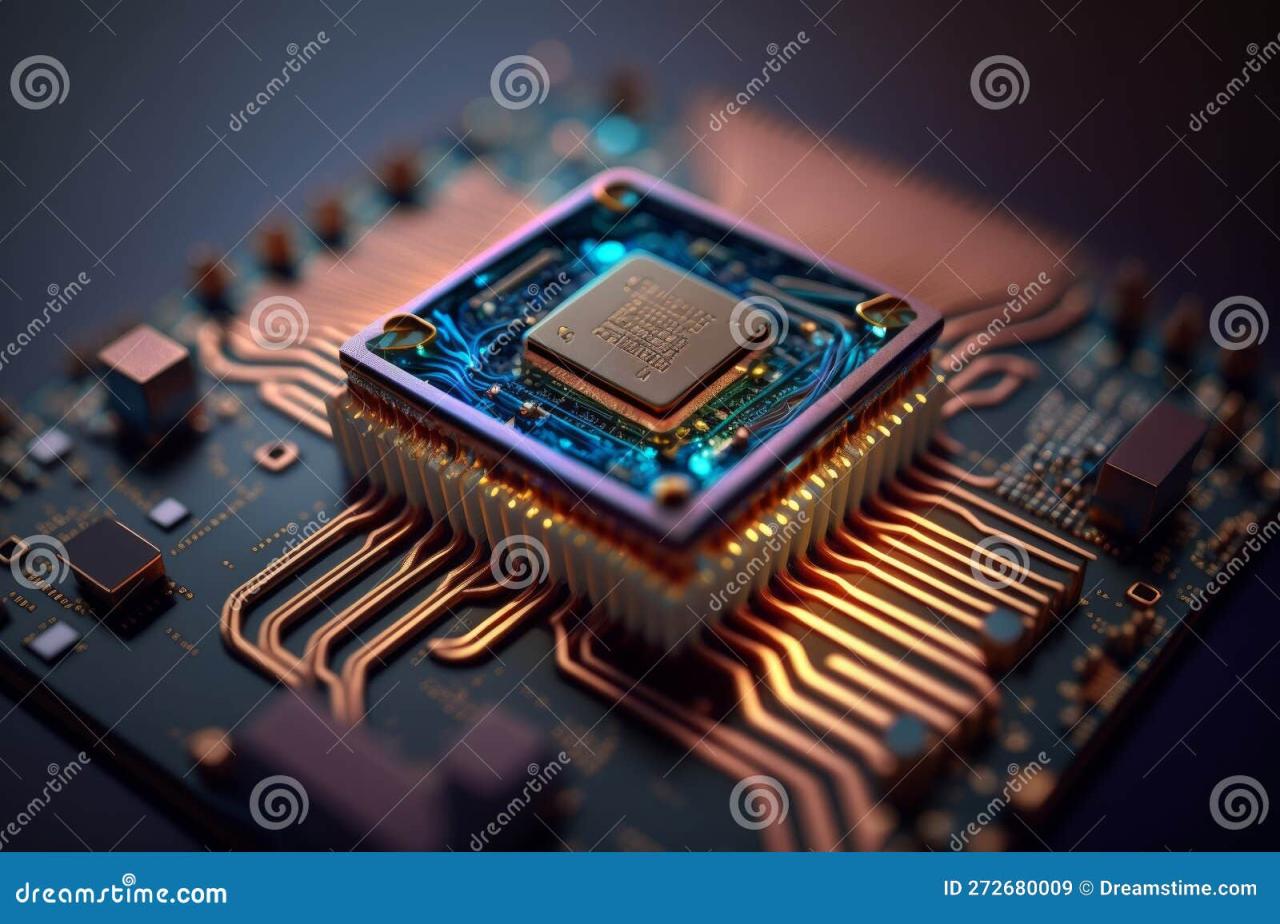
The evolution of chip technology in iPhone models has been a remarkable journey marked by innovation, efficiency, and performance enhancements that cater to the ever-increasing demands of mobile computing. From the early A4 chip that powered the iPhone 4 to the latest iterations, chip technology has significantly influenced the capabilities and functionality of iPhones.
The iPhone models have consistently incorporated cutting-edge chip technology, with Apple developing their proprietary A-series chips. Each generation has seen improvements in processing power, energy efficiency, and integration of advanced technologies like machine learning and artificial intelligence. With the release of the A17 chip in the latest iPhone model, we observe a leap in performance metrics.
Specifications of the A17 Chip
The A17 chip represents a significant advancement in Apple’s chip technology, featuring a 3nm manufacturing process that enhances transistor density and efficiency. This chip includes:
- Improved performance cores, allowing for faster processing speeds.
- Enhanced GPU capabilities, providing superior graphics rendering for gaming and augmented reality applications.
- Advanced neural processing unit (NPU) for better machine learning capabilities, enabling features like intelligent photo editing and real-time language translation.
- Support for high-speed connectivity options, including the latest Wi-Fi and cellular standards.
The A17 chip not only improves computational speed but also enhances battery life, which is a critical aspect for mobile users. The integration of specialized cores allows the device to perform intensive tasks without compromising efficiency, thereby ensuring a seamless user experience.
Impact of Chip Performance on Device Functionality
The performance of the chip directly correlates with the overall functionality of the iPhone. As chip technology has progressed, several key areas of device functionality have experienced significant enhancements:
- Application performance has improved, with apps loading faster and running more smoothly, thanks to higher processing speeds.
- Multitasking capabilities have been enhanced, allowing users to run multiple applications concurrently without lag.
- Advanced camera features, such as computational photography and video stabilization, benefit from the processing power of the latest chip.
- Battery optimization features, driven by efficient chip architecture, extend device usage time between charges.
The advancements in chip technology have enabled Apple to maintain its competitive edge in the smartphone market. By continually pushing the boundaries of what chips can do, Apple ensures that each new iPhone model meets the growing expectations of tech-savvy consumers.
“With each new chip, Apple not only enhances the capabilities of its devices but also reshapes the user experience, paving the way for future innovations.”
Manufacturing Process of iPhone Chips
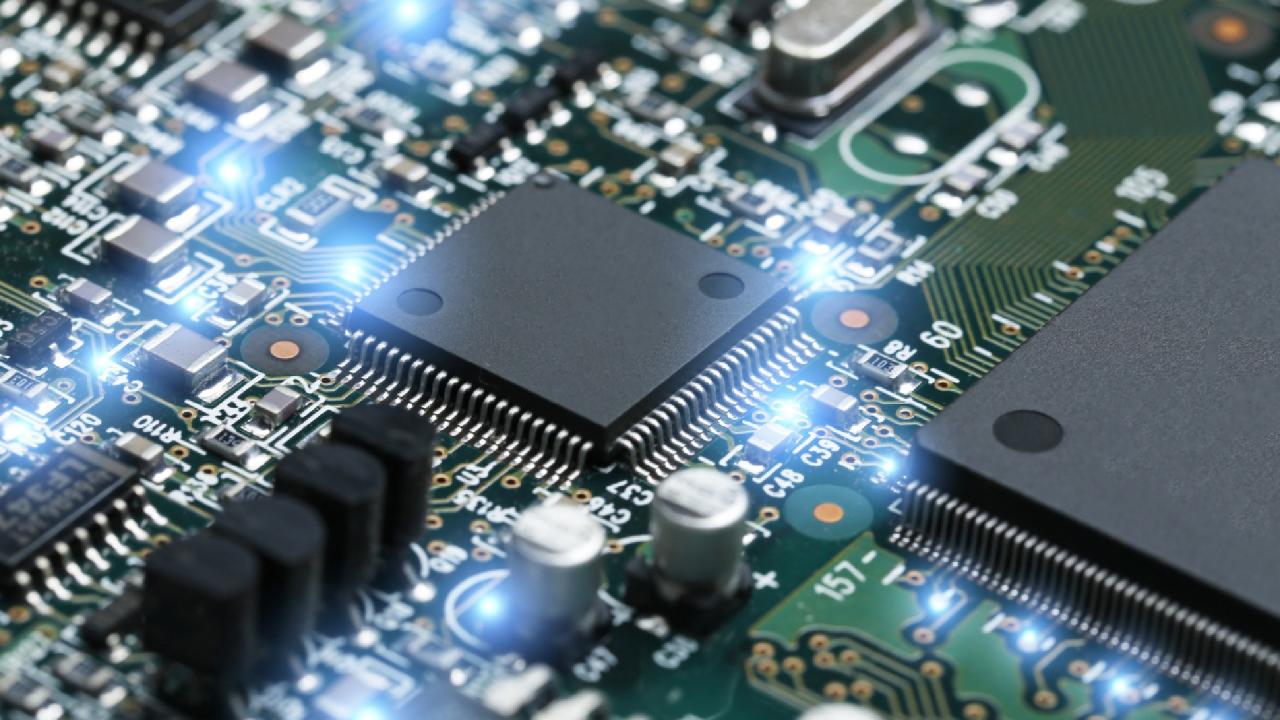
The manufacturing process of iPhone chips is a complex interplay of advanced technology and precise engineering. This intricate procedure not only showcases the capabilities of modern semiconductor manufacturing but also emphasizes the importance of quality control at every stage. Understanding how these chips are made reveals the foundation upon which the performance of iPhones is built.
The manufacturing of iPhone chips typically involves several key stages, each critical to ensuring the final product meets Apple’s rigorous standards.
Step-by-Step Manufacturing Process, Chip iphone
The manufacturing of iPhone chips can be broadly categorized into the following stages:
1. Wafer Fabrication: This initial step involves the creation of silicon wafers. High-purity silicon is melted and formed into cylindrical ingots. These ingots are sliced into thin wafers, which serve as the substrate for chip production.
2. Photolithography: In this stage, patterns are transferred onto the silicon wafer using light. A photosensitive chemical is applied, and then exposed to ultraviolet light through a mask, allowing for the delineation of circuit patterns.
3. Etching: Following photolithography, the unprotected silicon is etched away using either wet or dry etching techniques. This process removes unwanted silicon, forming the intricate structures of the chip.
4. Doping: Doping introduces impurities into the silicon to modify its electrical properties. This step is crucial for creating p-type and n-type semiconductors, which are necessary for forming transistors.
5. Deposition: Various materials are deposited on the wafer to build up layers of the chip. This can include metals for interconnections and insulating materials. Techniques like chemical vapor deposition (CVD) and physical vapor deposition (PVD) are commonly used.
6. Bonding and Packaging: Once the chip has been fabricated, it undergoes bonding where wires are connected to the chip. Finally, the chip is packaged into a protective casing that allows it to be integrated into devices like the iPhone.
Key Materials Used in Chip Production
The effectiveness of iPhone chips is largely attributed to the high-quality materials used during their production. The following materials are essential:
- Silicon: The primary material for semiconductor fabrication, chosen for its excellent electrical properties.
- Copper: Used for interconnections due to its superior conductivity.
- Silicon Dioxide: Acts as an insulating layer between different components on the chip.
- Gallium Arsenide: Occasionally used for high-speed applications due to its superior electron mobility.
- Photoresists: Light-sensitive materials that help in the photolithography process.
Quality Control Measures in Chip Manufacturing
Quality control is paramount in the chip manufacturing process to ensure reliability and performance. Several measures are implemented throughout production:
1. In-line Inspection: Continuous monitoring during fabrication helps detect any flaws or deviations from specifications at early stages.
2. Testing: Each chip undergoes rigorous testing, including functionality tests and performance benchmarks, ensuring it operates effectively under various conditions.
3. Statistical Process Control (SPC): Using statistical methods, manufacturers can analyze data from the production process to identify trends and anomalies, allowing for timely adjustments.
4. Failure Analysis: When defects are discovered, failure analysis techniques are employed to determine root causes and prevent recurrence in future batches.
5. Final Quality Audits: Before shipment, a final audit ensures that the chips meet all necessary standards and specifications, ensuring they are ready for integration into devices.
The meticulous steps and stringent quality measures in chip manufacturing help Apple deliver high-performance iPhone chips that power their devices with efficiency and reliability.
Performance Comparisons of iPhone Chips
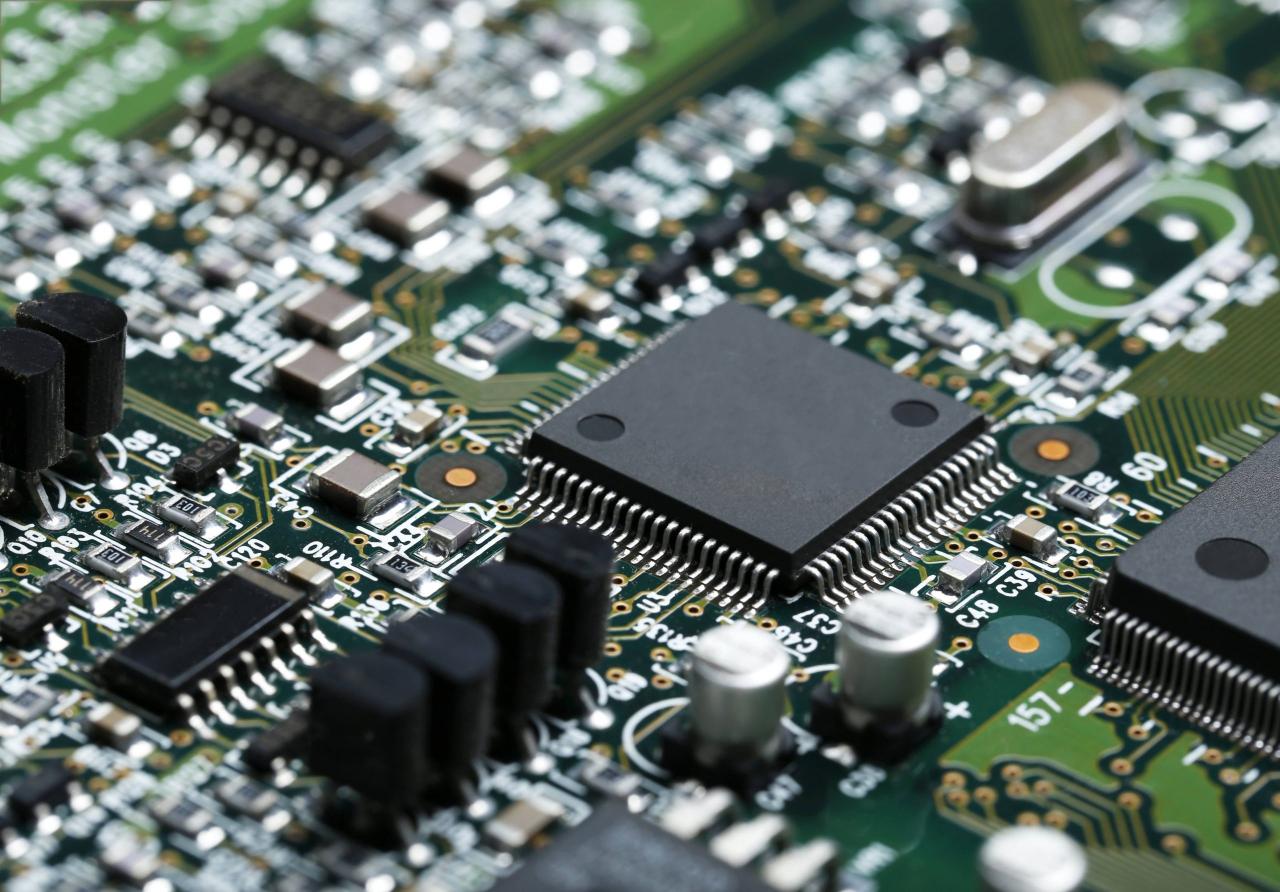
The performance of iPhone chips has seen significant advancements over the years, directly influencing the device’s capabilities in gaming, app usage, and overall user experience. Apple’s proprietary silicon, designed specifically for iPhones, has consistently pushed the boundaries of speed, efficiency, and graphical performance. This comparative analysis of various iPhone chips highlights how these advancements shape user interactions and performance benchmarks.
The efficiency and speed of iPhone chips not only enhance system responsiveness but also critically impact gaming performance and app execution. As newer models are released, each chip iteration improves upon its predecessors in multiple facets, including processing speed, power consumption, and thermal management. This evolution underpins Apple’s commitment to providing a seamless user experience, particularly in demanding applications such as gaming. With the introduction of dedicated GPU components in recent chips, graphics-intensive tasks are now handled more effectively, resulting in richer visuals and smoother gameplay.
Performance Benchmarks of iPhone Chips
To better understand the performance dynamics across different iPhone models, the following table showcases benchmark scores of various iPhone chips. These scores illustrate the significant leap in capabilities from one generation to the next, showcasing how advancements in architecture and technology translate into real-world performance improvements.
| Chip Model | Geekbench Single-Core Score | Geekbench Multi-Core Score | Antutu Score |
|---|---|---|---|
| A14 Bionic | 1600 | 4000 | 600000 |
| A15 Bionic | 1720 | 4600 | 780000 |
| A16 Bionic | 1850 | 4900 | 900000 |
The above benchmark scores provide a clear view of the incremental improvements featured in each generation of iPhone chips. For instance, the A15 Bionic chip demonstrates a noticeable increase in both single-core and multi-core performance compared to its predecessor, the A14 Bionic. This advancement reflects in gaming scenarios where frame rates and graphics quality are significantly enhanced, allowing developers to create more immersive experiences.
“Each new iteration of the iPhone chip enhances not only raw processing power but also efficiency, which is crucial for optimizing battery life in high-performance tasks.”
In summary, the performance comparisons of iPhone chips illustrate the technological journey Apple has undertaken, consistently striving to deliver devices that are not only powerful but also efficient. The scores and advancements in graphics processing capabilities indicate a future where gaming and app usage on iPhones will continue to evolve, providing users with unmatched experiences.
Future Trends in iPhone Chip Development
The landscape of iPhone chip technology is rapidly evolving, with significant advancements on the horizon. As Apple continues to push the boundaries of performance and efficiency, the future of iPhone chips promises to integrate cutting-edge innovations that will redefine user experience. Anticipated developments include enhanced processing capabilities, energy efficiency, and improved AI integration, which will all contribute to the next generation of iPhones.
The future of iPhone chip development is heavily influenced by the increasing demand for artificial intelligence (AI) and machine learning capabilities. As these technologies become more integral to everyday applications, Apple is expected to harness their power to optimize performance, enhance user interactions, and improve overall functionality. The integration of dedicated AI processors will lead to smarter devices capable of learning from user behaviors and preferences.
Expected Advancements in iPhone Chips
The anticipated enhancements in iPhone chips will focus on several key areas, including processing speed, energy efficiency, and integration of AI capabilities. These advancements will be crucial in supporting the growing demands of mobile applications and services.
- Increased Processing Speed: Future iPhone chips are projected to feature higher clock speeds and more powerful architectures, enabling faster app launches and improved multitasking capabilities.
- Enhanced Energy Efficiency: Innovations in chip design will likely lead to better thermal management and lower power consumption, extending battery life and improving device longevity.
- Advanced AI Integration: With the incorporation of neural engines, future iPhone chips will significantly enhance machine learning tasks, improving features like image recognition, voice processing, and real-time data analysis.
- 5G Optimization: As 5G technology becomes more widespread, iPhone chips will be designed to maximize the benefits of high-speed connectivity, enabling seamless streaming and enhanced gaming experiences.
Impact of AI and Machine Learning on Future iPhone Chips
The role of AI and machine learning in the next generation of iPhone chips will be transformative. These technologies will not only improve existing features but also enable new functionalities that were previously unimaginable. The incorporation of AI-driven algorithms will allow for real-time data processing and adaptation.
“AI capabilities in future iPhone chips will revolutionize user experience by enabling intelligent automation, personalized recommendations, and predictive performance.”
The practical implications of these advancements include improved photography through computational photography techniques, smarter virtual assistants, and enhanced security features via biometric authentication. These enhancements will make iPhones not just devices but intelligent companions that adapt to users’ needs.
Timeline of Expected Chip Releases
Apple’s roadmap for iPhone chip development indicates a strategic approach to innovation, with several key releases anticipated over the next few years. Each new chip iteration is expected to bring significant improvements in performance and efficiency.
| Release Year | Chip Model | Projected Capabilities |
|---|---|---|
| 2024 | A18 Chip | Enhanced neural engine, improved energy efficiency, 5G support |
| 2025 | A19 Chip | Advanced AI processing, augmented reality capabilities, increased multitasking efficiency |
| 2026 | A20 Chip | High-performance computing, innovative security features, next-level graphics rendering |
This timeline reflects Apple’s commitment to continual innovation, ensuring that each new iPhone model meets the evolving expectations of its users through advanced technology and performance enhancements.
Commonly Asked Questions
What are the main components of iPhone chips?
The main components of iPhone chips include the CPU, GPU, and various other integrated circuits that manage different functions of the device.
How often does Apple release new chips for iPhones?
Apple typically releases new chips annually, coinciding with the launch of new iPhone models, although incremental updates may occur in between.
Do iPhone chips affect battery life?
Yes, the efficiency of the chip plays a significant role in battery life, as more efficient chips can perform better while consuming less power.
Can I upgrade the chip in my iPhone?
No, iPhone chips are integrated into the device and cannot be upgraded separately due to their design and manufacturing process.
How does chip performance influence gaming on iPhones?
Higher chip performance results in smoother graphics, faster load times, and an overall enhanced gaming experience on iPhones.
The Motorola Moto X4 stands out with its sleek design and powerful performance, catering to users seeking a reliable smartphone experience. This device combines a stunning display with impressive camera capabilities, making it an ideal choice for photography enthusiasts. Its robust build ensures durability while providing a seamless user interface, truly making it a competitive option in the mid-range smartphone market.
When reminiscing about iconic smartphones, the Galaxy Note 2 undoubtedly comes to mind. Released with groundbreaking features, it set the standard for phablets and redefined mobile productivity. Its large display, coupled with the innovative S Pen, provided users with unique multitasking capabilities, elevating the smartphone experience to new heights during its era.