samsung note7 captures the essence of innovation intertwined with controversy, making it a pivotal moment in smartphone history. Launched with high expectations, the Note7 quickly garnered attention for its sleek design and impressive features, including a vibrant display and advanced stylus capabilities. However, beneath its impressive exterior, the Note7 was soon embroiled in serious safety issues that would challenge the brand’s reputation and consumer trust.
This device, with its premium build and cutting-edge technology, promised to redefine the phablet experience. Yet, as reports of battery malfunctions surfaced, the excitement surrounding the Note7 shifted dramatically, leading to recalls and a significant crisis for Samsung.
Overview of Samsung Note7
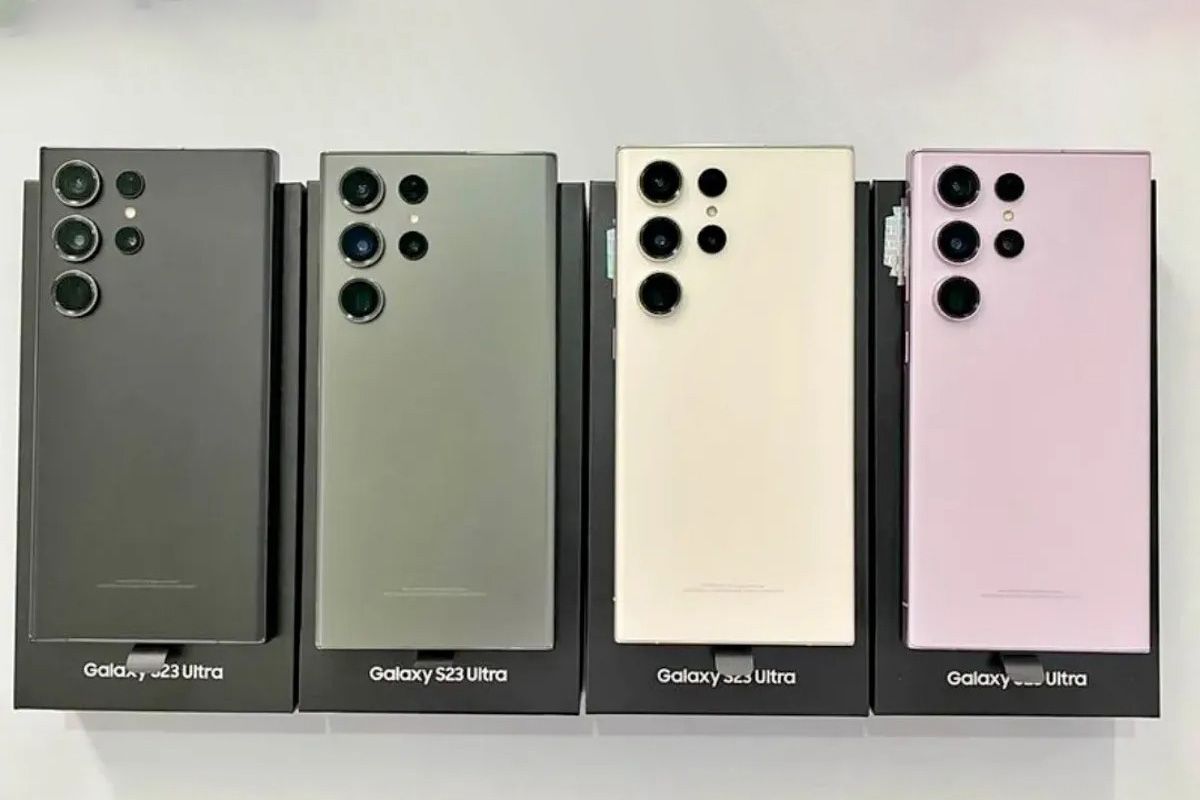
The Samsung Note7, launched on August 19, 2016, was a flagship smartphone that aimed to blend high performance with a premium user experience. Upon its release, it received widespread acclaim for its stunning design and innovative features, positioning itself as a strong competitor in the market. However, its journey was marred by significant safety issues that ultimately led to its discontinuation.
The Note7 was equipped with an array of impressive specifications that appealed to tech enthusiasts and everyday users alike. It featured a 5.7-inch Quad HD Super AMOLED display with a resolution of 1440 x 2560 pixels, providing vibrant colors and deep contrast. The device was powered by either the Qualcomm Snapdragon 820 or Samsung’s own Exynos 8890 processor, depending on the region. Additionally, it came with a generous 4GB of RAM and storage options of 64GB, expandable via microSD. The device also included a 12MP rear camera with dual pixel technology, ensuring excellent photography capabilities in various conditions, along with an 8MP front-facing camera for selfies.
Design Elements of Samsung Note7
The design of the Samsung Note7 played a crucial role in its appeal and market performance. Its sleek, curved glass design not only enhanced aesthetics but also improved functionality. The device was available in multiple colors, including Coral Blue and Gold Platinum, each offering a unique flair. The following design features set it apart:
- Curved Display: The dual-edge display provided an immersive viewing experience and allowed for shortcuts and notifications to be accessed from the curved sides.
- Premium Build Quality: The device combined glass and metal, resulting in a sophisticated and durable exterior, which felt premium in hand.
- S Pen Integration: The Note7 included an upgraded S Pen that was both water and dust resistant, allowing users to jot down notes and sketch even in adverse conditions.
- IP68 Water Resistance: With an IP68 rating, the Note7 could withstand submersion in water, adding a layer of durability for users who desired reliability in various environments.
- Fingerprint Scanner: The inclusion of a fingerprint scanner added convenience and security, enabling quick access to the device and protecting personal data.
The Samsung Note7’s design not only catered to aesthetics but also incorporated functionalities that enhanced the user experience, making it a noteworthy contender in the smartphone arena during its time.
Controversies and Safety Issues: Samsung Note7

The Samsung Galaxy Note7, initially celebrated for its innovative features and impressive design, quickly became synonymous with safety concerns and recalls. The device’s battery problems led to a significant backlash, affecting not only Samsung’s reputation but also raising questions about smartphone safety industry-wide. Understanding the depth of these controversies is crucial for consumers and manufacturers alike.
The battery issues that plagued the Samsung Note7 stemmed from the use of lithium-ion batteries, which are known for their energy density and susceptibility to overheating. Reports began surfacing of devices overheating and, in some cases, catching fire. Investigations revealed that the batteries from one supplier had manufacturing defects, while those from another supplier had design flaws. This dual fault led to Samsung issuing a recall of approximately 2.5 million devices in September 2016. Unfortunately, even replacement devices were reported to have similar issues, prompting a second recall that ultimately led to the discontinuation of the Note7 in October 2016.
Timeline of Safety Concerns
A significant timeline Artikels the key events leading to the Note7’s controversies, showcasing the rapid escalation of the safety concerns:
- August 2, 2016: Samsung announces the Galaxy Note7, receiving positive reviews for its features and performance.
- September 2, 2016: Samsung recalls 2.5 million Note7 devices after reports of batteries catching fire.
- September 15, 2016: Samsung begins issuing replacement devices with new batteries, assuring customers of safety improvements.
- October 5, 2016: Reports emerge that replacement devices are also catching fire, leading to renewed fears.
- October 11, 2016: Samsung officially halts production of the Note7 and urges customers to power down their devices.
- October 13, 2016: Samsung issues a statement that the Note7 will be permanently discontinued.
The rapid sequence of events highlights how quickly a product can go from market leader to a liability. The Note7’s safety issues not only affected consumer trust in Samsung but also sparked wider discussions about battery technology safety across the entire smartphone industry.
Comparison to Other Smartphone Controversies
The Note7’s safety issues can be compared to other notable smartphone controversies, such as the iPhone 6’s “Bendgate” and the Galaxy S7’s water resistance claims. Each incident brought forth significant consumer reactions and tarnished brand reputations.
The “Bendgate” controversy involved complaints that the iPhone 6 could bend under pressure, particularly when carried in a back pocket. Apple faced backlash but managed to downplay the issue by emphasizing the strength of their materials, while Samsung’s Note7 situation escalated into a full recall due to fire hazards.
Similarly, the Galaxy S7 claimed to be water-resistant; however, many users reported failures after exposure to water, leading to dissatisfaction and warranty disputes. These instances emphasize the importance of rigorous testing and quality assurance in the manufacturing process.
The Note7’s fallout serves as a pivotal lesson for tech companies regarding the paramount importance of product safety and consumer trust in the fiercely competitive smartphone market.
Overall, the Samsung Note7’s controversies illustrate the catastrophic implications of product safety oversight in technology, reinforcing the need for stringent quality controls and transparent communication with consumers.
Impact on Samsung Brand
The Note7 incident marked a significant turning point for Samsung, shaking the foundation of its brand reputation and market presence. As allegations of device malfunctions and safety risks emerged, consumers’ trust in one of the world’s leading technology companies was put to the test. The repercussions of the crisis extended beyond immediate financial losses, impacting long-term brand perception and strategic direction.
Market Share and Reputation After the Incident
The fallout from the Note7 debacle led to a sharp decline in Samsung’s market share, particularly in the premium smartphone segment. Competitors like Apple and emerging Chinese manufacturers seized the opportunity to attract disenchanted consumers. Data from the International Data Corporation (IDC) revealed that Samsung’s global smartphone market share dropped from 22.5% in Q3 2016 to 18.6% in Q4 2016. The negative press surrounding the Note7 not only tarnished Samsung’s image but also instigated widespread skepticism towards its other products.
“The Note7 incident was a stark reminder of how quickly brand loyalty can evaporate.”
This crisis underscored the importance of product reliability, as consumers became more vigilant about safety features in smartphones. As a result, Samsung faced heightened scrutiny, compelling the company to undertake a rigorous reassessment of its quality control processes.
Recovery Measures Implemented by Samsung
In response to the overwhelming backlash, Samsung embarked on a comprehensive recovery strategy aimed at restoring consumer trust and reinforcing its market position. Key measures included:
- Product Recalls: Samsung initiated one of the largest technology recalls in history, replacing or refunding millions of Note7 devices to mitigate safety concerns.
- Transparent Communication: The company adopted a policy of transparency, providing regular updates about investigations and findings related to the incident, thus seeking to rebuild consumer confidence.
- Enhanced Safety Protocols: Samsung implemented a new eight-point battery safety check process for future devices, emphasizing strict testing and quality assurance to prevent similar incidents.
These strategies were pivotal in demonstrating Samsung’s commitment to customer safety and satisfaction, ultimately leading to a gradual recovery of its brand reputation.
Long-term Changes in Product Development Strategy
The Note7 crisis prompted a significant shift in Samsung’s approach to product development and innovation. The company recognized the necessity of integrating comprehensive safety standards into its design and manufacturing processes. Key changes included:
- Focus on Quality Control: Samsung restructured its quality assurance protocols, emphasizing rigorous testing phases to ensure product reliability before market release.
- Investment in Research and Development: The company increased investments in R&D to explore safer battery technologies and alternative materials, aiming to enhance product safety without compromising performance.
- Consumer Feedback Integration: Samsung began actively engaging consumers earlier in the product development cycle, utilizing feedback to refine designs and address potential safety concerns proactively.
These long-term strategic changes not only sought to prevent future crises but also aimed to re-establish Samsung as a leader in innovation while prioritizing consumer safety above all.
Legacy and Consumer Perception
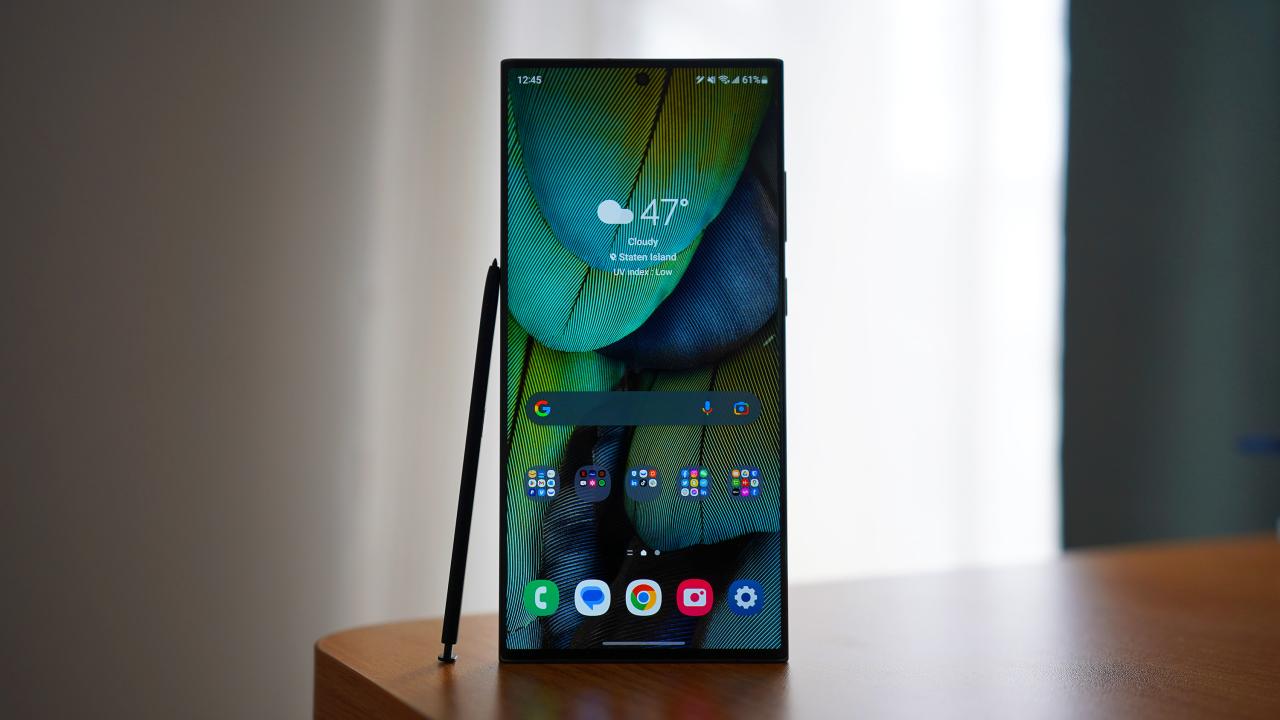
The Samsung Note7 incident left an indelible mark on the smartphone industry, influencing design philosophies and shaping consumer sentiments towards brands. As one of the most significant product failures in tech history, its repercussions have been felt far beyond Samsung, prompting a reevaluation of safety, design, and consumer trust in technology. The ramifications of the Note7’s controversies offer essential insights into the evolving landscape of consumer electronics and brand loyalty.
Influence on Future Smartphone Designs and Technology, Samsung note7
The Note7’s battery issues catalyzed a considerable shift in the smartphone manufacturing sector, prompting companies to prioritize safety and reliability in their design processes. Following this incident, manufacturers began implementing more rigorous testing protocols, enhancing battery management systems, and focusing on thermal stability. The Note7 incident highlighted the need for innovation in battery technology, leading to increased investments in solid-state batteries, which are anticipated to offer higher safety and performance levels compared to traditional lithium-ion batteries. Additionally, the necessity for transparent communication regarding product safety became evident, influencing companies to adopt more proactive consumer engagement strategies.
Consumer Sentiment Towards Samsung Products
In the aftermath of the Note7 controversy, consumer perception of Samsung became polarized. While many customers expressed disappointment and frustration, others remained loyal, appreciating the company’s swift response and transparency in addressing the issue. A notable shift occurred in the brand’s marketing strategies, focusing on rebuilding trust through customer engagement and improved product safety features in subsequent releases. Surveys revealed that while immediate sales suffered, Samsung’s commitment to rectifying the situation slowly restored consumer confidence. The company’s ability to innovate and respond actively to the crisis has been instrumental in mending its relationship with consumers, though the stigma associated with the Note7 lingered for some time.
Lessons Learned from the Note7 Experience
The Note7 incident provided the tech industry with valuable lessons that can inform future practices. Companies can draw from this experience to navigate potential pitfalls effectively. The following list encapsulates essential takeaways from the Note7’s legacy:
- Prioritize Safety: Implement rigorous testing and quality control measures to ensure product safety at every stage of development.
- Transparent Communication: Maintain open lines of communication with consumers, especially during crises, to build trust and manage expectations.
- Invest in R&D: Focus on research and development for alternative technologies, such as solid-state batteries, to mitigate risks associated with conventional designs.
- Proactive Consumer Engagement: Engage with customers post-incident through feedback loops to enhance product features and ensure consumer needs are prioritized.
- Establish Crisis Management Protocols: Develop comprehensive crisis management strategies that can be activated promptly to address any product issues that arise.
“The Note7 incident serves as a potent reminder of the importance of safety and consumer trust in technology.”
FAQ Explained
Why was the Samsung Note7 recalled?
The Samsung Note7 was recalled due to battery overheating issues that posed fire hazards, leading to safety concerns among consumers.
What features made the Samsung Note7 popular?
Features such as its large AMOLED display, S Pen support, and impressive camera capabilities contributed to the Samsung Note7’s popularity.
How did the Note7 incident affect Samsung’s reputation?
The Note7 incident significantly damaged Samsung’s reputation, leading to a loss of consumer trust and a decline in market share.
What steps did Samsung take after the Note7 crisis?
Samsung implemented stricter quality control measures, improved battery safety protocols, and launched new products aimed at restoring its brand image.
What lessons can other tech companies learn from the Note7 experience?
Tech companies can learn about the importance of thorough testing, proactive communication with consumers, and the need for robust crisis management strategies.
The Samsung Galaxy S10 Plus stands out with its impressive display and camera capabilities. This flagship device not only offers a sleek design but also powerful performance, making it a top choice for tech enthusiasts. Its features are a significant step up from earlier models, showcasing Samsung’s commitment to innovation in their flagship smartphone lineup.
As a part of the renowned Samsung Galaxy S series, this smartphone brings advanced technology and premium features. The series has consistently set benchmarks in the industry, delivering high-quality devices that cater to varying user needs. With each iteration, Samsung continues to refine its offerings, ensuring that every model resonates with both casual users and tech aficionados alike.