samsung galaxy s ii stands as a landmark in smartphone evolution, capturing the imagination of users and setting the stage for future innovations. Launched in 2011, this device combined cutting-edge technology with an elegant design, making it a favorite among consumers and a significant player in the competitive smartphone market.
With its impressive specifications, including a dual-core processor, vibrant Super AMOLED display, and a sleek chassis, the Samsung Galaxy S II not only enhanced user experience but also introduced several key features that would become standard in later models. Its significance transcends mere hardware, reflecting a pivotal moment in mobile technology that influenced both design trends and user expectations.
Overview of Samsung Galaxy S II
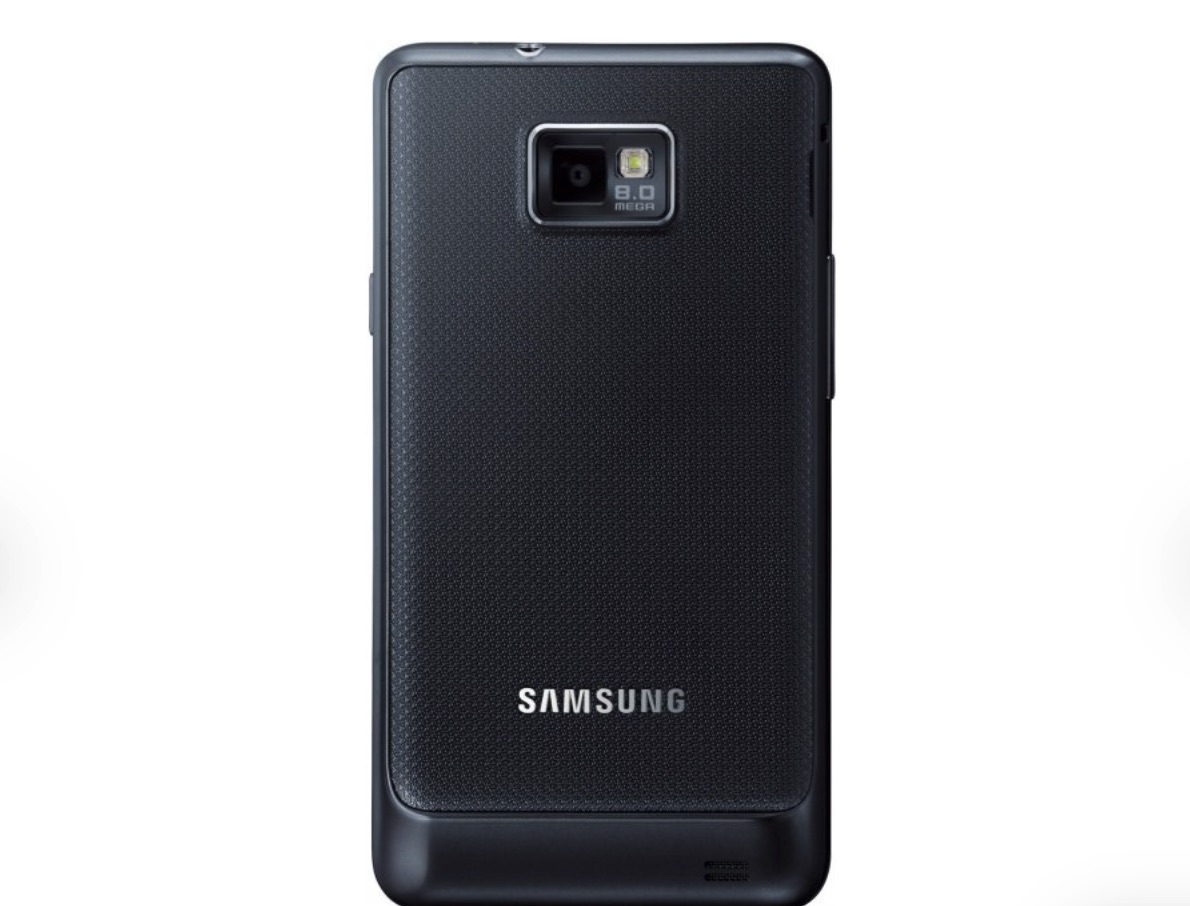
The Samsung Galaxy S II, released in 2011, was a revolutionary smartphone that marked a significant evolution in mobile technology. It boasted impressive specifications for its time, including a sleek design, powerful hardware, and a rich display, which set a benchmark for future smartphones.
The Samsung Galaxy S II came equipped with a 4.3-inch Super AMOLED Plus display featuring a resolution of 800 x 480 pixels. Under the hood, it powered a dual-core 1.2 GHz processor, paired with 1 GB of RAM, allowing for seamless multitasking and enhanced performance. The device offered an 8 MP rear camera, capable of recording 1080p video, and a 2 MP front-facing camera, catering to the burgeoning trend of video calls. Storage options included 16 GB or 32 GB internal memory, expandable via microSD up to 32 GB, providing ample space for apps, photos, and media.
Historical Significance of the Samsung Galaxy S II
The Samsung Galaxy S II played a pivotal role in the smartphone landscape, representing a turning point for Samsung as a leading technology innovator. It was pivotal in the competitive race against Apple’s iPhone, effectively challenging the dominance of iOS with its Android operating system.
This device marked Samsung’s first significant success in the smartphone arena, paving the way for its Galaxy S series to become one of the most popular smartphone lines globally. The Galaxy S II’s design and features laid the groundwork for the evolution of subsequent devices, influencing design aesthetics and performance standards across the industry.
Key Innovations Introduced with the Samsung Galaxy S II
The Galaxy S II showcased several innovations that shaped future smartphones. These advancements included:
- Super AMOLED Plus Display: Offering richer colors and deeper blacks compared to traditional LCDs, enhancing the visual experience for users.
- Dual-Core Processor: Introducing multitasking capabilities that allowed for smoother performance and better app management.
- Lightweight and Slim Design: Weighing only 116 grams with a thickness of just 8.49 mm, setting new standards for portability in smartphones.
- 8 MP Camera with HD Video Recording: Providing high-quality image capture and video capabilities, which appealed to photography enthusiasts.
- Enhanced User Interface: Samsung’s TouchWiz UI offered customization options, improving the overall user experience.
The blend of these innovations not only enhanced user satisfaction but also compelled competing manufacturers to elevate their offerings, thereby accelerating the evolution of smartphone technology.
User Experience with Samsung Galaxy S II
The Samsung Galaxy S II has made a significant impact on smartphone users since its release, primarily due to its innovative features and intuitive design. Users have shared a myriad of experiences that reveal the device’s performance, usability, and overall satisfaction.
The performance of the Samsung Galaxy S II has consistently been praised across various user reviews. Many users have highlighted its responsiveness, speed, and graphical capabilities, especially for gaming and multitasking. The device’s Super AMOLED Plus display has been a standout feature, allowing for vibrant colors and sharp images, which users appreciate in their daily interactions with the device.
User Reviews and Testimonials, Samsung galaxy s ii
User testimonials reveal a strong consensus regarding the performance of the Samsung Galaxy S II. With its dual-core processor, users have reported smooth operation and quick app launches. Here are some notable sentiments reflected in user reviews:
-
“The Galaxy S II feels incredibly fast. I can switch between apps seamlessly without any lag.” – User Review
-
“The camera quality is outstanding for a smartphone, capturing stunning photos even in low light.” – User Review
-
“I love the customization options available; it allows me to personalize my phone just the way I want.” – User Review
Users have also drawn comparisons between the user interface of the Samsung Galaxy S II and its predecessors, such as the Galaxy S. The TouchWiz interface introduced with the Galaxy S II provided a more streamlined and user-friendly experience compared to earlier models. Users noted that the shortcuts and widgets were more intuitive, enhancing accessibility and efficiency.
On the other hand, when comparing the Galaxy S II with its successors, such as the Galaxy S III, users have acknowledged the latter’s improved features, including enhanced voice recognition and an even faster processor. However, many Galaxy S II users have expressed satisfaction with their device, feeling it still holds its ground in terms of usability and performance.
Common Issues and Suggested Solutions
Despite the overall positive feedback, users have encountered some common issues with the Galaxy S II. These challenges often include battery performance, software glitches, and occasional overheating. The following points summarize the typical problems and their suggested solutions:
- Battery Drain: Users often reported the battery draining quickly, especially with heavy app usage.
- Solution: Adjusting screen brightness and closing unused applications can significantly improve battery life.
- Software Updates: Some users experienced bugs with newer software updates that affected performance.
- Solution: Performing a factory reset post-update often resolves persistent issues.
- Overheating: A few users noted that the device could overheat during intensive tasks.
- Solution: Ensuring proper ventilation and removing any phone case during heavy usage can help mitigate heat buildup.
User experiences with the Samsung Galaxy S II showcase a blend of stellar performance and common challenges, with many embracing the device for its innovative features and user-friendly interface. The feedback from users not only emphasizes the strengths of the Galaxy S II but also illuminates areas for potential improvement and adaptation.
Samsung Galaxy S II in Popular Culture
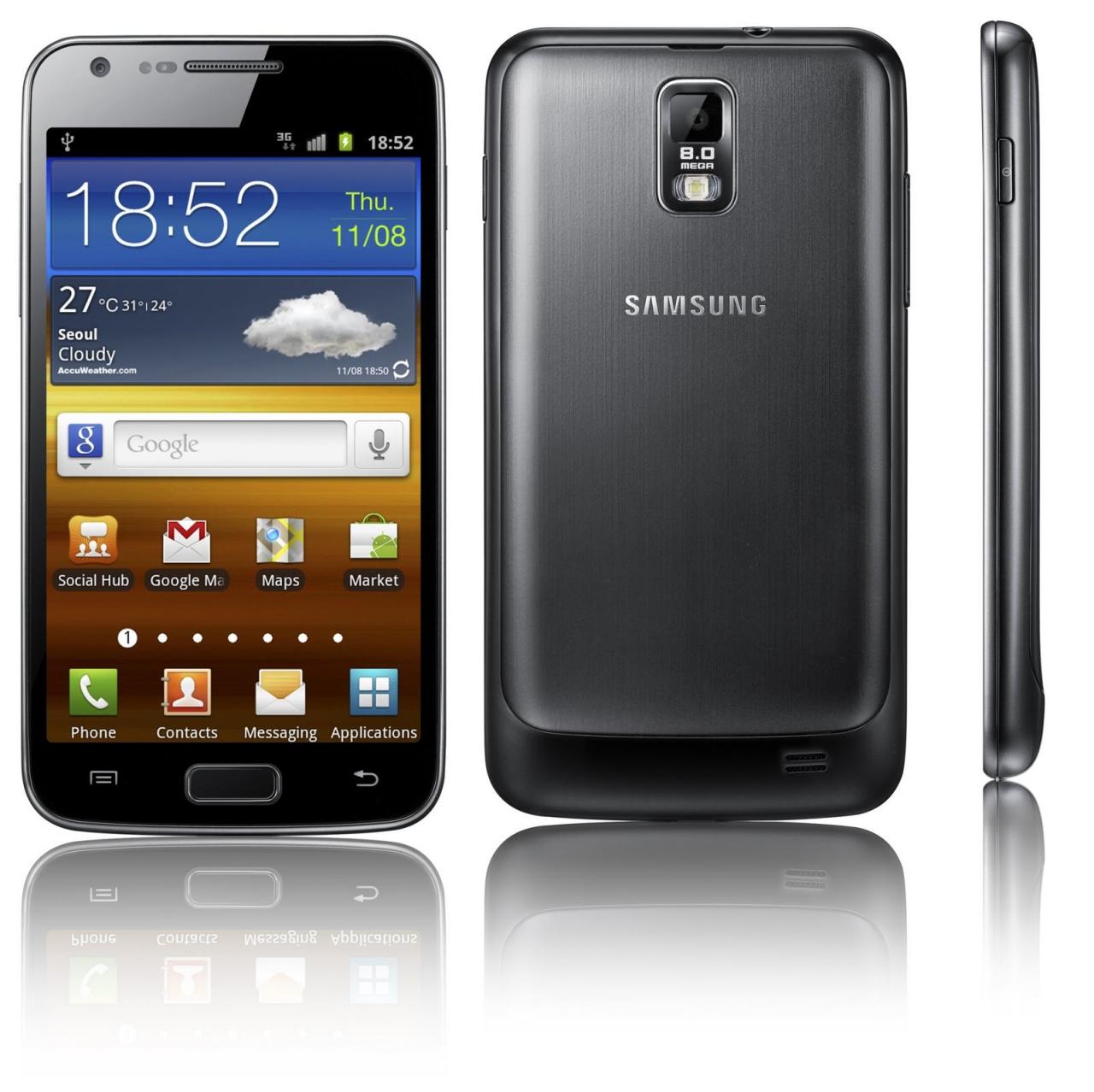
The Samsung Galaxy S II not only made waves in the tech world upon its release in 2011, but it also found its way into popular culture, influencing trends in media, design, and even celebrity endorsements. This smartphone became a symbol of innovation and style, reflecting a pivotal moment in the evolution of mobile technology.
The representation of the Samsung Galaxy S II in media and advertisements was marked by its sleek design and cutting-edge features, which were prominently showcased in various campaigns. The advertising strategy emphasized the device’s capabilities, illustrating its usage in vibrant, lifestyle-oriented contexts. From TV commercials to print ads, the Galaxy S II was often portrayed as an essential tool for modern living, appealing to both tech enthusiasts and casual users alike. This positioning not only boosted its popularity but also solidified Samsung’s reputation as a leader in the smartphone market.
Influence on Smartphone Design Trends
The Samsung Galaxy S II significantly influenced smartphone design trends that followed its release. Its successful design language set a benchmark for future devices, showcasing the importance of combining aesthetics with functionality. Several key aspects contributed to its impact on the smartphone landscape:
- Large Display: The Galaxy S II featured a 4.3-inch Super AMOLED display, which was larger than many competitors at the time. This trend towards bigger screens became a standard expectation for smartphones, leading to the widespread adoption of larger devices in subsequent models.
- Slim Form Factor: With a thickness of just 8.49 mm, the Galaxy S II set a precedent for slim design trends. Manufacturers began to prioritize thinner devices, leading to a race for the sleekest smartphone on the market.
- Material Quality: Samsung’s use of lightweight materials and a premium feel in the Galaxy S II prompted other brands to rethink their choice of materials, focusing on producing high-end smartphones that felt as good as they looked.
- Customizable User Interface: The TouchWiz UI, which was an integral part of the Galaxy S II, encouraged other smartphone manufacturers to enhance their user interfaces, making them more customized and user-friendly.
Notable Public Figures and Celebrities
Several public figures and celebrities have been associated with the Samsung Galaxy S II, further embedding it into the fabric of popular culture. These endorsements not only showcased the device’s features but also enhanced its appeal through association. Some notable figures include:
- LeBron James: As a global sports icon, LeBron’s use of the Galaxy S II in advertisements helped elevate the smartphone’s status among sports enthusiasts and fans alike.
- David Beckham: The former football star’s association with Samsung brought a sense of style and sophistication to the brand, aligning the Galaxy S II with luxury and lifestyle.
- Lady Gaga: Known for her avant-garde style, Lady Gaga’s appearances with the Galaxy S II emphasized the phone’s trendy design and innovative technology, attracting a younger demographic.
The Samsung Galaxy S II’s resonance in popular culture is a testament to its groundbreaking design and the effective marketing strategies employed by Samsung, ensuring its legacy in the smartphone world.
Future of Samsung Galaxy Series
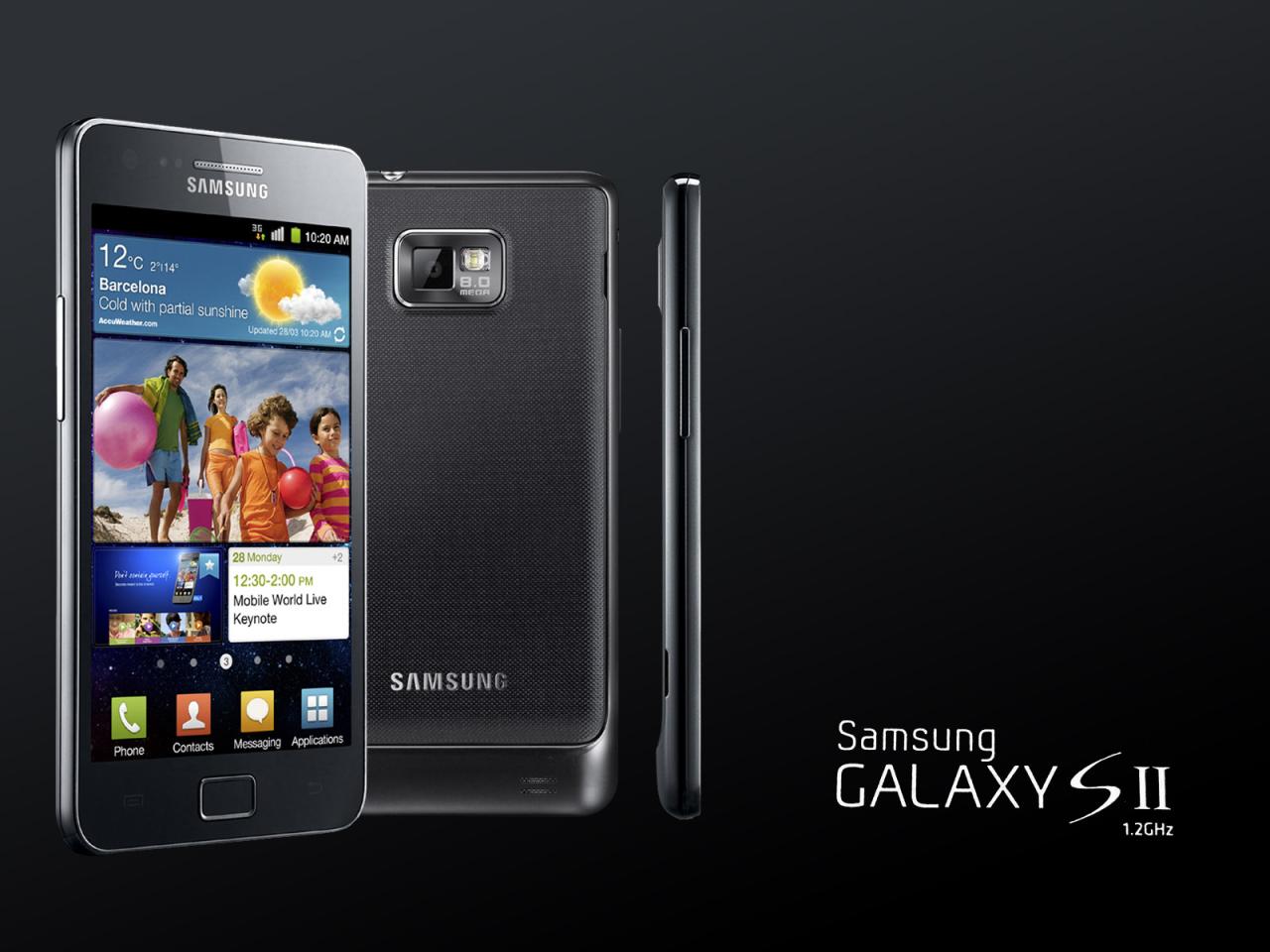
The Samsung Galaxy series has consistently pushed the boundaries of smartphone technology, with the Galaxy S II serving as a pivotal model that set the stage for subsequent innovations. Launched in 2011, the S II introduced a variety of groundbreaking features that have since become standard in the smartphone market. This section examines how the S II influenced future models, Artikels the evolution of the series, and compares it with the latest Galaxy model to highlight advancements in technology and features.
Influence of Samsung Galaxy S II on Future Models
The Samsung Galaxy S II was a game changer in many respects, setting a benchmark for future devices in the series. It was among the first smartphones to feature a dual-core processor, significantly improving performance and multitasking capabilities. This model also introduced a sleek design, a vibrant Super AMOLED display, and advanced camera features that paved the way for future innovations.
The success of the Galaxy S II demonstrated the importance of integrating cutting-edge technology and user-centric design, prompting Samsung to enhance processing power, display quality, and camera capabilities in subsequent models. For instance, the Galaxy S III built upon these principles with a larger display and enhanced software features, maintaining the legacy of innovation initiated by the S II.
Timeline of Samsung Galaxy Series Evolution
The evolution of the Samsung Galaxy series reflects its commitment to advancing smartphone technology. The following timeline illustrates key releases and features since the launch of the Galaxy S II:
| Year | Model | Key Features |
|---|---|---|
| 2011 | Galaxy S II | Dual-core processor, Super AMOLED display, 8MP camera |
| 2012 | Galaxy S III | 4.8″ display, Smart Stay, improved camera |
| 2013 | Galaxy S4 | Full HD display, Air Gesture, and improved camera |
| 2014 | Galaxy S5 | Water resistance, fingerprint scanner, heart rate monitor |
| 2015 | Galaxy S6 | Glass and metal design, 1440p display, improved camera |
| 2016 | Galaxy S7 | Dual Pixel camera, expandable storage, IP68 rating |
| 2020 | Galaxy S20 | 120Hz display, 8K video recording, 5G capability |
| 2021 | Galaxy S21 | Refined design, enhanced camera features, improved processing power |
| 2022 | Galaxy S22 | Dynamic AMOLED 2X, advanced AI features, improved battery life |
| 2023 | Galaxy S23 | Snapdragon 8 Gen 2, 200MP camera, enhanced gaming capabilities |
Comparison of Samsung Galaxy S II with Latest Model
A comparison between the Samsung Galaxy S II and the latest Galaxy model, the Galaxy S23, highlights the incredible advancements in technology and features over the years.
The Galaxy S II, launched in 2011, featured a 4.3-inch display, a dual-core processor, and an 8MP rear camera. In contrast, the Galaxy S23 boasts a stunning 6.1-inch Dynamic AMOLED 2X display, powered by the latest Snapdragon 8 Gen 2 processor, and an impressive 200MP camera that supports advanced photography capabilities, such as improved low-light performance and enhanced AI features.
Key differences include:
– Processor Performance: The S II’s dual-core processor is vastly outperformed by the S23’s multi-core setup, enabling significantly faster processing speeds and power efficiency.
– Display Technology: The S II’s Super AMOLED display, although revolutionary at its time, is now surpassed by the S23’s Dynamic AMOLED 2X, which offers greater brightness, color accuracy, and refresh rates.
– Camera Capabilities: The S II’s camera, while adequate, cannot compete with the S23’s advanced features, including 8K video recording and sophisticated AI enhancements for photography.
This comparison not only illustrates the remarkable progress made within the Galaxy series but also reflects the evolving needs and expectations of smartphone users.
Question Bank: Samsung Galaxy S Ii
What are the key features of the Samsung Galaxy S II?
The Samsung Galaxy S II features a 4.3-inch Super AMOLED display, a dual-core processor, an 8MP rear camera, and 1GB of RAM.
When was the Samsung Galaxy S II released?
The Samsung Galaxy S II was officially released in April 2011.
What operating system does the Samsung Galaxy S II run?
The device originally launched with Android 2.3 Gingerbread and was upgradeable to Android 4.1 Jelly Bean.
How does the Samsung Galaxy S II compare to newer Galaxy models?
While the Galaxy S II was revolutionary for its time, newer models offer advanced features like improved cameras, better processors, and enhanced displays.
Is the Samsung Galaxy S II still relevant today?
While outdated by modern standards, the Samsung Galaxy S II remains significant as a historical marker in the evolution of smartphones.
The Samsung Galaxy S 4 stands out with its impressive features, including a stunning display and a powerful camera. This smartphone, known for its sleek design and user-friendly interface, revolutionized mobile technology at its release. Its blend of style and functionality remains appealing even in today’s competitive market.
As we look towards the future of smartphones, the Samsung S 19 is already generating excitement. With cutting-edge technology and innovative features, this device aims to redefine user experience. Whether you’re a tech enthusiast or just looking for a reliable phone, the S 19 promises to deliver exceptional performance.