Chip iphone technology has been at the forefront of Apple’s innovation, transforming the smartphone landscape over the years. From the early days of the A-series chips to the latest models, the evolution of these chips has dramatically enhanced the performance, efficiency, and capabilities of iPhones. Understanding the advancements in chip technology is crucial for appreciating how they shape the overall user experience in our daily lives.
This overview delves into the specifications of recent chip models, their impact on device performance, and how they enable features that redefine smartphone functionality. With each new generation, Apple continues to push the boundaries of what’s possible, integrating sophisticated capabilities that enhance everything from photography to battery life.
Overview of iPhone Chip Technology
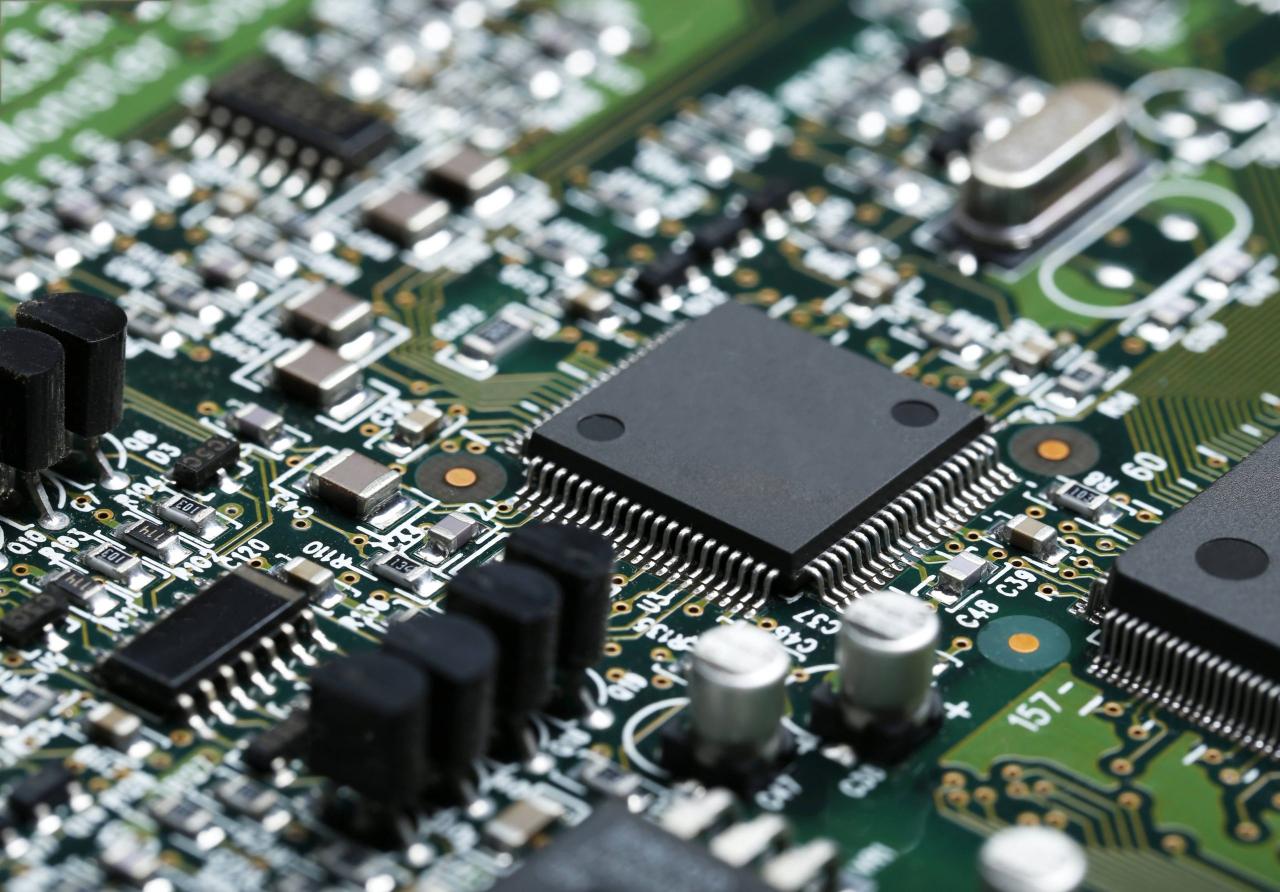
The evolution of chip technology in iPhones has been a cornerstone in Apple’s strategy to deliver superior performance, efficiency, and user experience. From the initial models equipped with basic processors, the journey has been marked by significant advancements in architecture and functionality, influencing not just Apple’s device performance but also spawning new industry standards.
The progression began with the A4 chip in the iPhone 4, which set a foundation for future innovations. Subsequent chips, including the A5, A6, and A7, showcased a steady increase in processing power and energy efficiency. As of 2023, the latest chip models being utilized in the iPhone lineup are the A16 Bionic and A17 Pro chips.
Recent Chip Models and Specifications, Chip iphone
The A16 Bionic chip, primarily used in the iPhone 14 Pro models, features a 6-core CPU that provides a significant leap in performance with a focus on multitasking and high-demand applications. Key specifications include:
- 6-core CPU with 2 performance and 4 efficiency cores
- 5-core GPU for enhanced graphics performance
- 16-core Neural Engine capable of 17 trillion operations per second
- Advanced 4nm manufacturing process for improved power efficiency
Following this, the A17 Pro chip, which powers the iPhone 15 series, pushes the boundaries further. Its specifications include:
- 6-core CPU with up to 20% faster performance
- 6-core GPU with hardware-accelerated ray tracing
- Faster memory bandwidth, exceeding 25GB/s
- Enhanced machine learning capabilities with a Neural Engine capable of 35 trillion operations per second
The impact of these advancements in chip design cannot be overstated. The integration of sophisticated architectures has led to remarkable improvements in device performance, allowing for seamless multitasking, high-resolution graphics rendering, and extended battery life.
Impact on Device Performance and User Experience
The design and capabilities of the chips directly influence the overall user experience and device performance. With the introduction of dedicated GPU cores and advanced Neural Engine features, users can expect enhanced graphics performance in gaming and augmented reality applications.
The efficiency improvements in newer chips lead to longer battery life, allowing users to engage with their devices for extended periods without needing a recharge. Furthermore, the introduction of features such as real-time image processing and advanced computational photography has transformed the way users capture and interact with photos.
“Apple’s investment in chip technology has not only optimized device performance but has also set a benchmark in smartphone capabilities, making each iteration a significant upgrade.”
In summary, the evolution of chip technology in iPhones reflects a commitment to performance and user satisfaction, with each new model bringing enhancements that facilitate a superior experience for users while pushing the boundaries of what mobile devices can achieve.
Comparison of Different iPhone Chips
The evolution of iPhone chips has significantly advanced the performance and capabilities of Apple’s smartphones. This comparison will delve into the A-series chips used in various iPhone models, highlighting their processing power, energy efficiency, and graphics capabilities. Understanding these differences aids users in making informed decisions regarding device upgrades and usage.
Side-by-Side Comparison of A-Series Chips
The A-series chips have seen remarkable advancements over the years, each generation bringing enhancements in various aspects. Below is a comparison of key A-series chips across different iPhone models:
| Chip Model | Processing Power (CPU) | Graphics Capabilities (GPU) | Energy Efficiency | Notable iPhone Models |
|---|---|---|---|---|
| A11 Bionic | 6-core | Apple GPU with 3 cores | Improved efficiency over A10 | iPhone 8, iPhone X |
| A12 Bionic | 6-core with 2 high-performance cores and 4 efficiency cores | 4-core Apple GPU | 15% better than A11 | iPhone XS, iPhone XR |
| A13 Bionic | 6-core with 2 high-performance cores and 4 efficiency cores | 4-core Apple GPU | 20% better efficiency than A12 | iPhone 11, iPhone SE (2nd generation) |
| A14 Bionic | 6-core with 2 high-performance cores and 4 efficiency cores | 4-core Apple GPU | 30% better than A13 | iPhone 12, iPhone 12 Mini |
| A15 Bionic | 6-core with 2 high-performance cores and 4 efficiency cores | 4-core Apple GPU | Up to 50% better than A14 | iPhone 13, iPhone 13 Pro |
The table illustrates not only the enhancements in processing power with each new chip but also improvements in graphics capabilities and energy efficiency. For instance, the A14 Bionic chip introduced a 30% increase in energy efficiency compared to its predecessor, making it a game-changer for users seeking long battery life during intensive tasks.
Real-World Advantages and Disadvantages of Each Chip Generation
Each chip generation comes with its unique set of advantages and disadvantages that can affect real-world usage.
The A11 Bionic chip, while being a significant upgrade at its launch, faces limitations in handling high-end graphics in modern gaming applications compared to newer models.
The A12 Bionic chip, with its neural engine capabilities, brought enhanced machine learning processes, useful for applications like photography and augmented reality. However, users who primarily utilize their devices for basic tasks might not notice a substantial difference compared to the A11.
The A13 Bionic chip further refined performance, especially in gaming and computational photography, providing smoother gameplay and better image processing. However, the jump in efficiency may not justify the upgrade cost for users who do not engage in demanding tasks.
The A14 Bionic chip, with its 5nm architecture, delivered not only superior performance but also considerable gains in battery life. This was particularly advantageous for users who often engage in resource-intensive applications such as video editing. Some users, however, may argue that the improvements are incremental for casual use.
Finally, the A15 Bionic chip showcased Apple’s commitment to efficiency and power, featuring a powerful GPU making it ideal for high-performance applications. Still, casual users might find that the A14 meets their needs sufficiently, making the upgrade less compelling.
“Each iPhone chip generation not only redefines performance but also shapes the overall user experience.”
The Role of Chips in iPhone Functionality
Chips play a pivotal role in defining the performance, features, and overall user experience of iPhones. From enhancing camera capabilities to optimizing battery life, the impact of these advanced processors is evident in every aspect of the device’s functionality. The integration of chips allows iPhones to execute complex tasks with remarkable efficiency, offering users a seamless experience.
The advancements in chip technology have significantly contributed to the innovation of various features in iPhones. For instance, the introduction of specialized processing units has paved the way for improved camera performance, longer battery life, and faster app execution. Each chip is designed with specific functionalities that enhance the device’s capabilities, making it a powerful tool for both personal and professional use.
Impact of Chip Technology on Key Features
The integration of chips into iPhone architecture has led to the development of numerous essential features that define the user experience. Understanding these features and their significance highlights how chips are at the heart of iPhone functionality:
- Camera Performance: The A-series chips, such as the A15 Bionic, enable advanced image processing, leading to enhanced low-light performance, improved color accuracy, and the ability to capture high-resolution images. The Neural Engine within these chips processes machine learning tasks that help in features like Night Mode and Smart HDR.
- Battery Life: Chip efficiency directly influences battery consumption. With each generation, chips have become more power-efficient. For example, the A14 Bionic chip uses a 5nm process technology, significantly reducing power usage while delivering high performance, resulting in longer battery life during intensive tasks.
- App Execution: The speed at which applications load and run is largely determined by the chip’s architecture. Multi-core designs and high clock speeds in the latest chips allow for smooth multitasking and faster app loading times, enhancing the overall user experience.
- Artificial Intelligence Processing: The incorporation of dedicated AI processing units has enabled iPhones to perform complex computations on-device. Features like voice recognition, image analysis for photo enhancements, and real-time language translation rely heavily on this technology, pushing the boundaries of what mobile devices can achieve.
- Gaming Performance: Chips like the A15 Bionic come equipped with advanced graphical processing capabilities, enabling high-fidelity gaming experiences. The ability to render graphics smoothly at higher frame rates provides users with console-quality gaming experiences on their devices.
The features powered by iPhone chips directly contribute to the device’s appeal and usability, establishing the iPhone as an industry leader in technology and innovation. As chip technology continues to evolve, users can expect even more groundbreaking functionalities in future models, further enhancing their mobile experience.
Future Trends in iPhone Chip Development: Chip Iphone
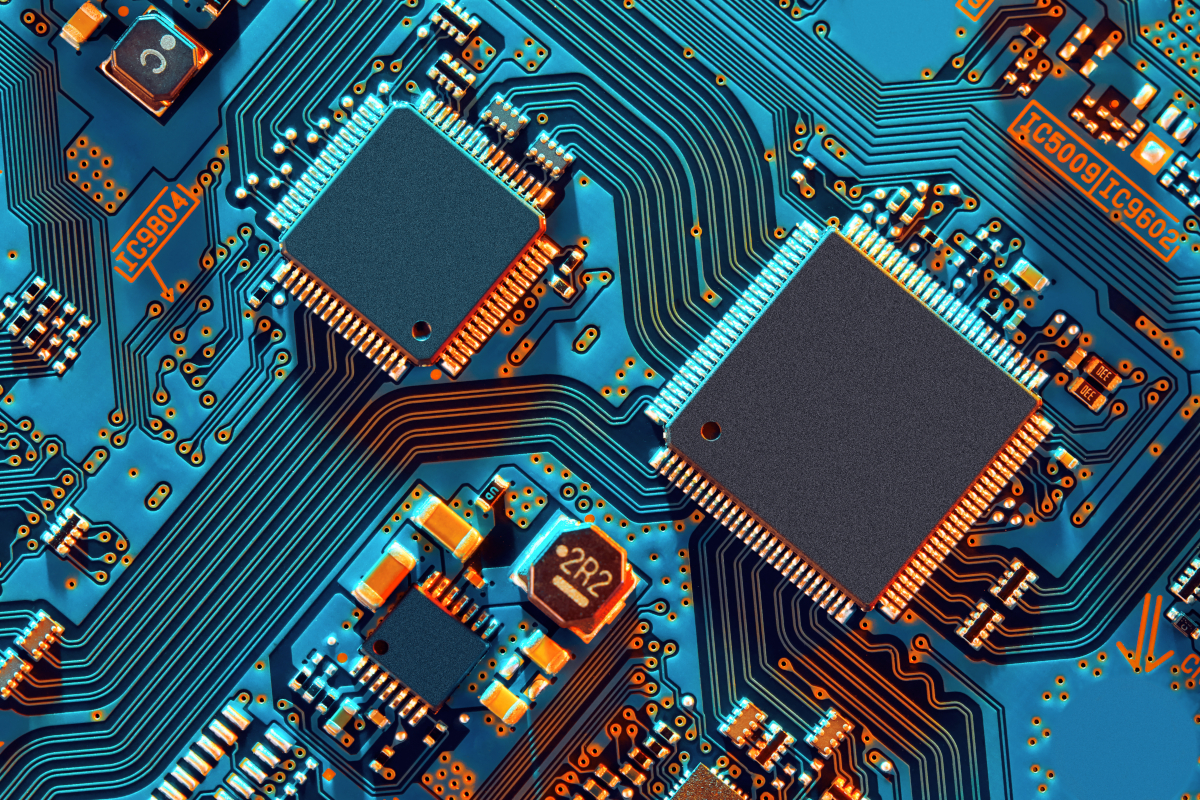
The landscape of iPhone chip technology is on the brink of transformative developments that could redefine performance, efficiency, and overall user experience. As Apple continues to innovate, the focus on custom chip development has become increasingly vital, with future iterations likely to integrate advanced features tailored to meet evolving consumer demands and technological advancements.
One significant area of innovation is in the realm of artificial intelligence (AI) and machine learning (ML). With the advent of chips designed specifically for AI, such as the Apple Neural Engine, future iPhones are expected to leverage these capabilities to enhance tasks ranging from photography to personalized user experiences. The integration of dedicated AI processors will allow for real-time data processing, improving efficiency while reducing power consumption.
Emerging Technologies in Chip Design
As Apple refines its approach to chip architecture, several emerging technologies are likely to play a crucial role in future iPhone models. These innovations promise to improve both performance and energy efficiency.
- 3D Chip Packaging: This technique allows multiple layers of circuitry to be stacked vertically. This optimization can lead to reduced physical size and improved performance by minimizing the distance data must travel within the chip.
- Advanced FinFET Technology: Utilizing FinFET transistors can significantly increase the speed and efficiency of chips through better control of current leakage, thereby enhancing battery life and processing power.
- Integration of 5G Capabilities: Future iPhone chips are likely to embed advanced 5G modems, leading to faster data speeds and reduced latency, which are essential for an increasingly interconnected world.
- Quantum Computing Integration: While still in its infancy, the potential for quantum computing to be integrated into mobile chipsets could revolutionize computational tasks, enabling capabilities currently unimaginable in consumer devices.
Advancements in chip technology are also expected to influence the software ecosystem. With Apple’s commitment to controlling both hardware and software, optimizations in chip performance will directly translate into more powerful applications that can harness the full potential of these new architectures.
Apple’s Strategic Response to Market Trends
Apple’s chip development strategy is likely to adapt in response to several key market trends. As competition intensifies, maintaining a technological edge will be paramount.
- Focus on Sustainability: As consumer demand for environmentally friendly devices grows, Apple is expected to prioritize energy-efficient chip designs that minimize environmental impact while maintaining high performance.
- Customization for User Needs: Tailoring chips to enhance specific features, such as photography or gaming, will cater to diverse user preferences, setting Apple apart in a crowded market.
- Increased Investment in R&D: As the tech landscape evolves, Apple is likely to increase its investments in research and development to explore new chip technologies and fabrication techniques that bolster its competitive edge.
The implications of these advancements on software and hardware integration are profound. As chips become more sophisticated, software developers will need to adapt their applications to fully utilize the new capabilities. This synergy between hardware and software will enhance user experiences, making iPhones not just more powerful, but also smarter and more intuitive.
In conclusion, the future of iPhone chip development is poised for remarkable changes that will shape how users interact with their devices. With a clear focus on innovation and adaptation to market dynamics, Apple is set to maintain its leadership in mobile technology.
FAQ Compilation
What is the latest chip used in iPhones?
The latest chip used in iPhones is the A17 Bionic, which features advanced processing capabilities and improved energy efficiency.
How do iPhone chips affect battery life?
iPhone chips play a significant role in battery life by optimizing energy consumption during tasks, allowing devices to last longer on a single charge.
Can iPhone chips support AI functionalities?
Yes, the latest iPhone chips are designed to handle AI processing, enabling features like advanced photography and predictive text.
How often does Apple release new iPhone chips?
Apple typically releases new iPhone chips annually alongside new iPhone models, introducing enhancements with each iteration.
What are the benefits of using A-series chips in iPhones?
A-series chips provide improved processing speed, greater energy efficiency, and enhanced graphics capabilities, all contributing to a superior user experience.
The Samsung Galaxy S II marked a significant evolution in mobile technology, offering features that revolutionized user experience. With its sleek design and impressive performance, it set the standard for future smartphones. Those interested in the legacy of Samsung’s innovations can appreciate how this model paved the way for contemporary devices.
In the ever-expanding smartphone market, the Samsung Galaxy 10 Lite stands out with its balance of performance and affordability. Targeting users who want a reliable device without breaking the bank, this smartphone combines essential features with a stylish design, catering to a wide audience of tech enthusiasts.